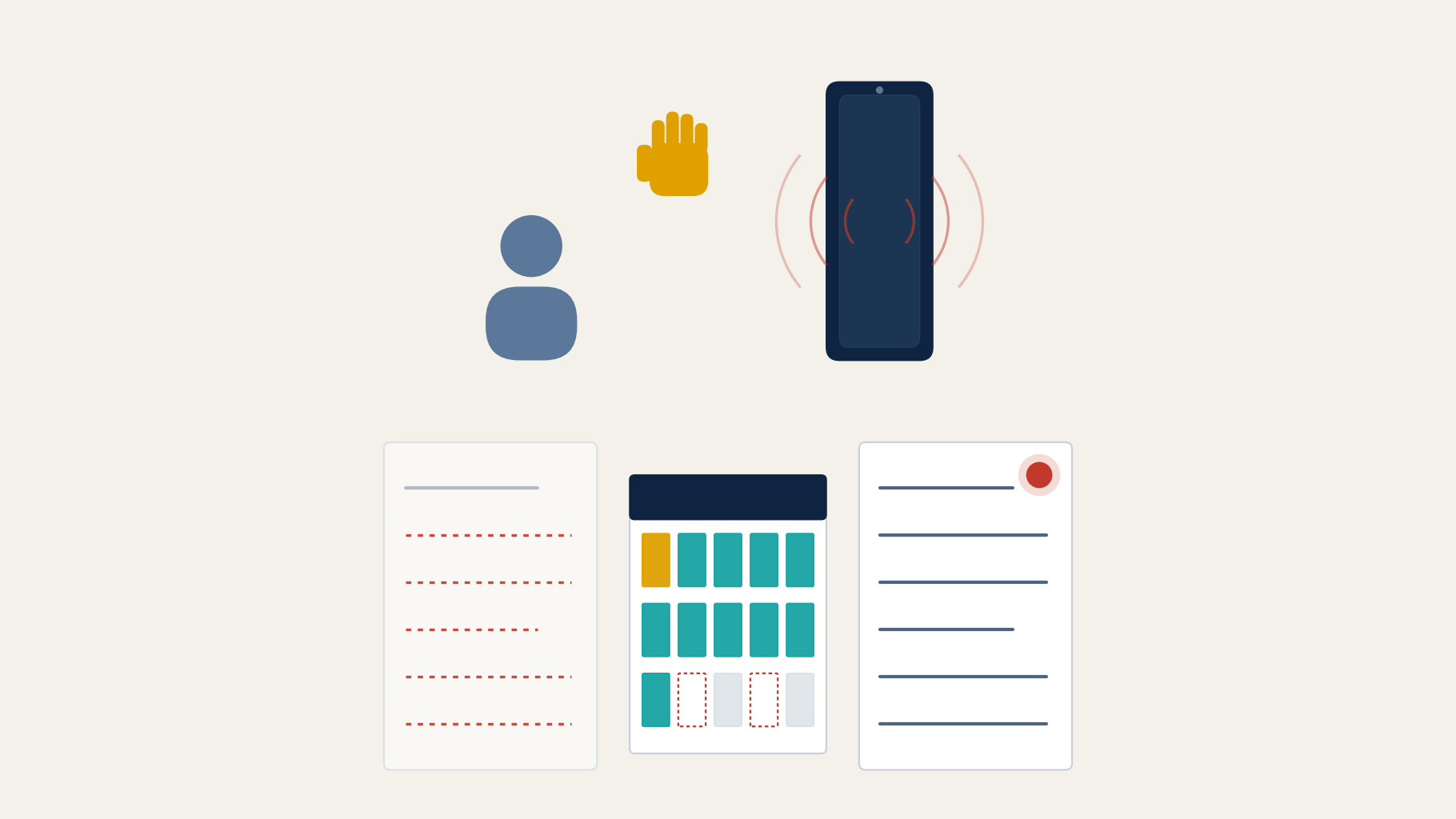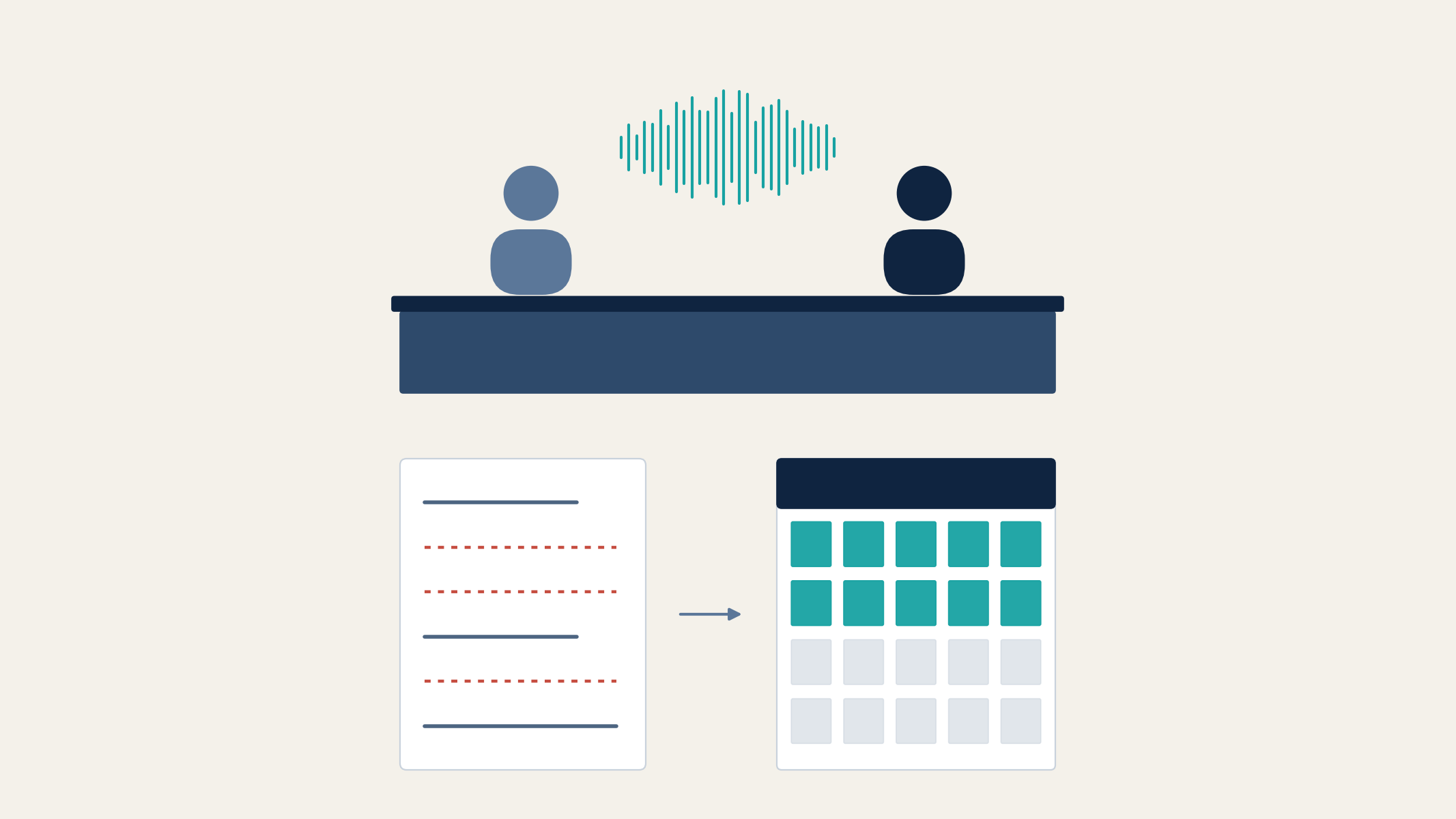
A collection agency calls about a medical bill you already paid. You explain that the hospital wrote it off, and the agent says they will note the account. Three weeks later the calls continue, a new letter demands payment, and their file shows no dispute at all.
Nothing about that call was unusual. Most people dispute a debt the way they answer any phone call: they say so, out loud, to the person on the line. The agent may even have meant to note it. But under the federal debt collection rule, the strongest protection a consumer has is triggered by a written dispute, not a spoken one, and the only detailed record of the call usually sits in the collector’s system.
The Problem: The Dispute Was Spoken
Federal debt collection rules give consumers a real pause button, but it is wired to paper. Under Regulation F, 12 CFR 1006.38(d)(2), “Upon receipt of a dispute submitted by the consumer in writing within the validation period, a debt collector must cease collection of the debt, or any disputed portion of the debt” until it responds.
The response must be real. The collector has to send “a copy either of verification of the debt or of a judgment” before it resumes collecting. The window is short:
- The clock. The validation period ends “30 days after the consumer receives or is assumed to receive the validation information,” under 1006.34(b)(5).
- The format. A dispute counts for this rule when it is in writing, by mail or by the electronic method the validation notice offers.
- The silence. Missing the window is not a confession. Under 1006.38(d)(1), “The failure of a consumer to dispute the validity of a debt does not constitute a legal admission of liability by the consumer.”
A phone dispute does not trigger the pause. A written one inside the 30 days does.
Why Current Solutions Fail
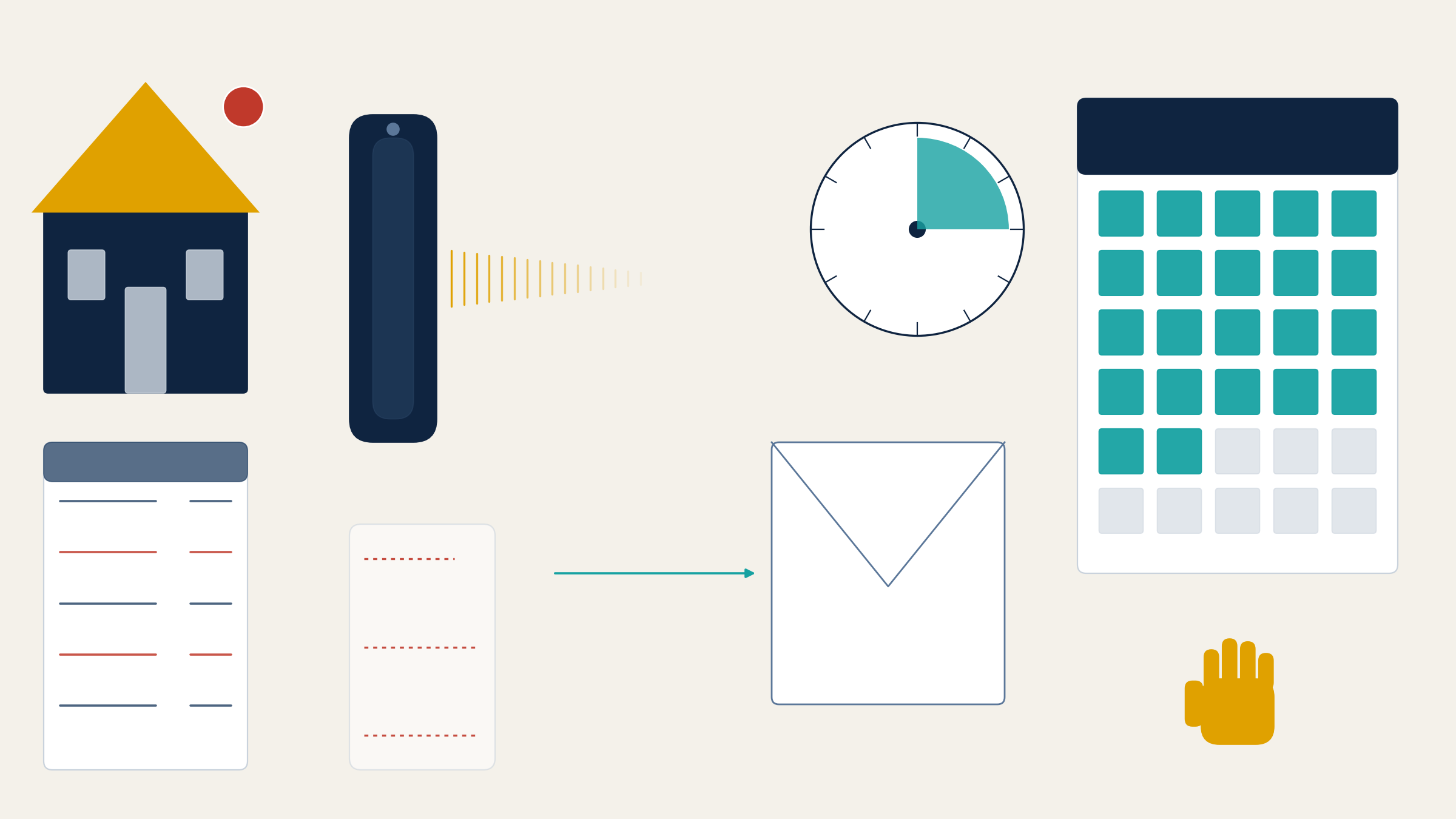
The call still counts for something. Under 1006.18(c)(2), a collector must not communicate false credit information, “including the failure to communicate that a disputed debt is disputed.” That rule does not say in writing. If you disputed on the phone, the collector should not report the debt as undisputed.
Proving that call is where consumers lose.
- The collector keeps the notes. Their system logs what the agent typed, not what you said. Your side is a memory and a missed-call list.
- Letters written later are thin. A dispute drafted from memory two weeks on tends to say “this is wrong” without the dates, amounts and account details that make it specific.
- Second letters can be brushed off. A repeat dispute can be treated as duplicative if it lacks “new and material information,” under 1006.38(a)(1). What the agent admitted on the call may be exactly that information.
- The window closes quietly. Thirty days go fast when the first contact is a phone call and the validation notice arrives days later.
A note scribbled after the call helps, but it captures what you remember, not what the agent said. The details that make a dispute specific, the claimed balance, the original creditor, the agent’s own explanation, are the details most likely to be lost by the time you sit down to write.
What Actually Works
The fix is a verbatim, timestamped record of every collection call, then a written dispute built from it the same day.
Record the call in the room. Put the collector on speaker and let AmyNote record from a second device nearby, such as an iPad. Tell the agent the call is being recorded, and follow your state’s consent law, since some states require every party to agree.
Capture the exact words. Transcription runs on OpenAI’s latest Speech API, so the account number, the claimed balance, the original creditor’s name and “we show that as paid” land in the transcript as spoken.
Keep the speakers straight. Speaker identification separates you from the agent and remembers voices across follow-up calls, so a later call with a different agent sits in the same timeline.
Turn the call into a specific dispute. AI analysis runs on Anthropic’s Claude Opus. Ask for every amount, date, creditor name and admission from the call, with timestamps, and use them to write a dispute that names exactly what is wrong.
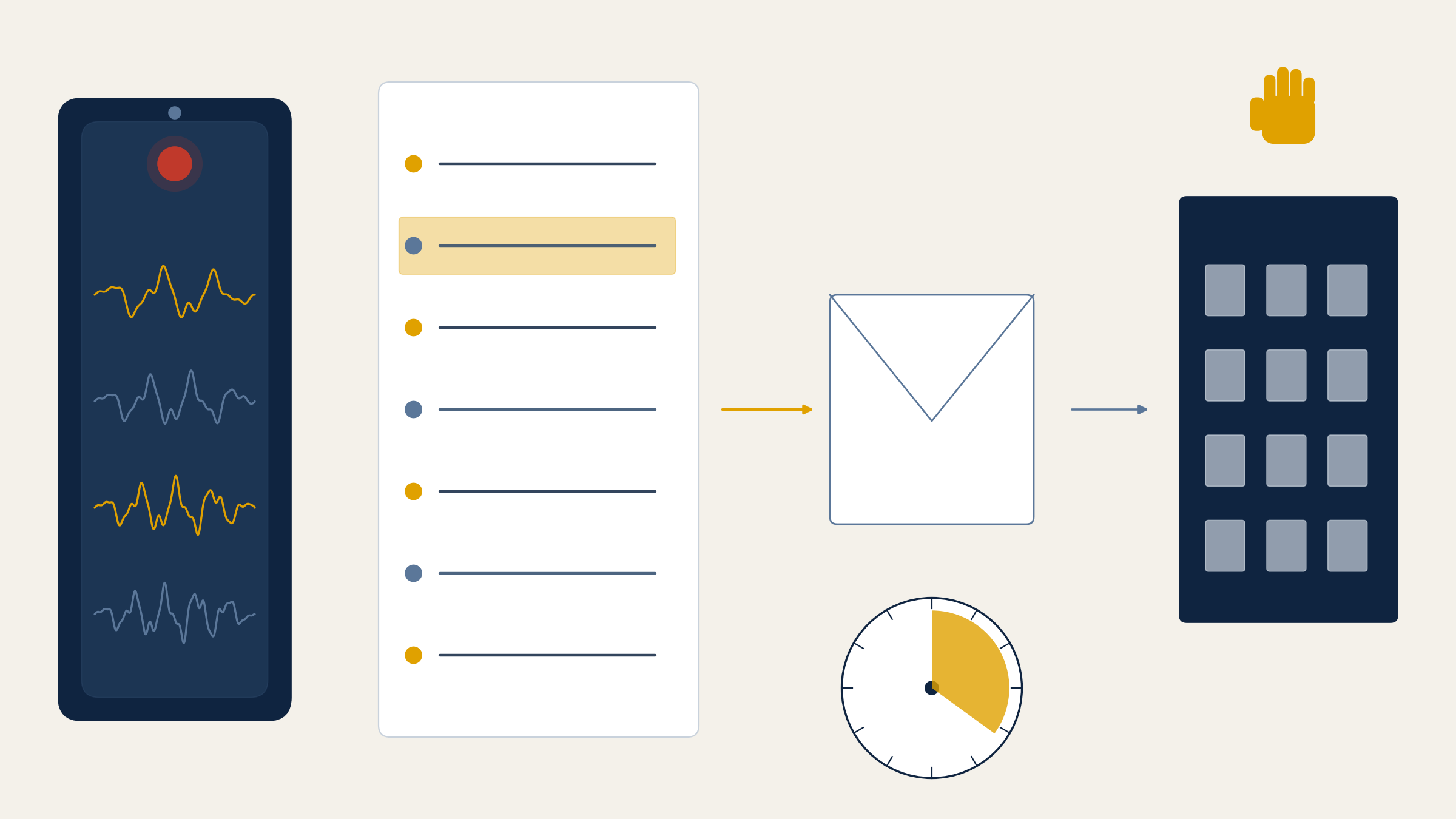
Privacy stated plainly. Transcription runs through OpenAI and Microsoft Azure speech services, and AI analysis through Anthropic. AmyNote states that it does not use customer data to train AI models and does not sell content. Audio and text are encrypted in transit with TLS, and the saved library stays on the user’s own iPhone or iPad, where recording, playback and export work with no network.
Local first is not local only. When transcription or a summary runs, the needed audio or text is uploaded, and a processing copy may be retained to complete the request. AmyNote publishes that trade-off rather than hiding it.
Spoken Dispute vs. Written Dispute
| Disputed by phone only | Disputed in writing within 30 days | |
|---|---|---|
| Collection must pause | Not under 1006.38(d)(2) | Yes, until verification or a judgment is sent |
| Debt reported as disputed | Yes, under 1006.18(c)(2) | Yes |
| Who holds the record | The collector’s call notes | Your copy of the letter and proof of sending |
| With your own recording | Proof of what was said on the call | A specific letter built from the call, and new and material information for any follow-up |
A Short Checklist for the Collection Call
- Say that the call is being recorded, at the start, so consent is on the recording itself.
- Ask who they are collecting for. The collector’s name, the original creditor and the account number they are using.
- Ask for the amount and how they got it. The claimed balance, and any interest or fees they say were added.
- State the dispute out loud. Not your debt, already paid, wrong amount, or written off, in your own words.
- Note when the validation notice arrived. The 30 days run from when you receive, or are assumed to receive, the validation information.
- Write the dispute the same day. Use the dates, amounts and names from the transcript, send it by mail or by the electronic method the validation notice offers, and keep proof of sending.
What This Does Not Decide for You
A recording does not decide whether you owe the debt, whether a collector broke the rules, or whether a claim is worth bringing. It is not legal advice; a consumer attorney or a nonprofit credit counselor should look at the facts. Recording consent rules differ by state, so check yours before you press record. What a verbatim record does is make the written dispute specific, and make sure the collector’s call notes are not the only version of what was said.
Getting Started
Next time a collector calls, record it with consent, then send a written dispute before the validation period ends, using the dates and amounts from the transcript. Keep proof of sending. AmyNote offers transcription by OpenAI, analysis by Anthropic’s Claude Opus, zero-training commitments from both, and a three day free trial with no credit card.
Originally published as an X Article by @AmyNoteApp.