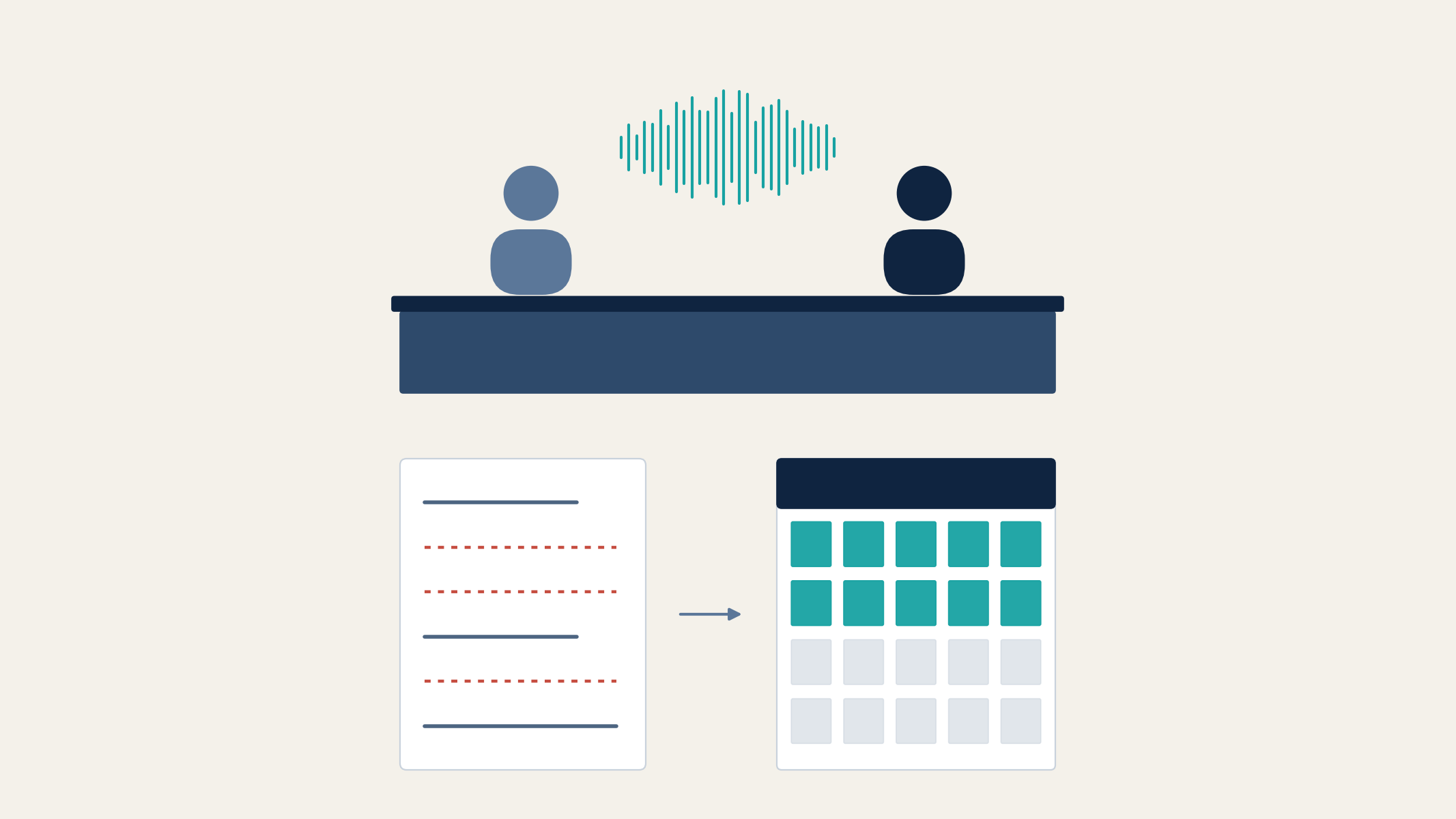
A member walks up to the teller line and says two debit card charges from a gas station in another state are not hers. The teller checks the account, says the dispute team will follow up, and hands her a card. Ten business days later there is no provisional credit, because the credit union says she never sent written confirmation. She says nobody told her she had to.
Both of them may be telling the truth as they remember it. The problem is that the one conversation that decides who is right, the two minutes at the counter, left no record of its own. The intake form says a dispute was opened. It does not say what the teller said about confirmation, or whether an address was given.
An Oral Notice Starts Every Clock
Under Regulation E, a dispute does not have to start on a form. 12 CFR 1005.6(b)(5)(ii) says: “The consumer may notify the institution in person, by telephone, or in writing.” And under (b)(5)(i), notice counts “whether or not a particular employee or agent of the institution actually receives the information.”
Section 1005.11(b)(1) applies the error resolution rules to “any oral or written notice of error” that arrives within 60 days of the statement, identifies the member’s name and account number, and says why the member believes there is an error. A member at the teller line who says “these two charges are not mine” has usually given all three.
From that moment the clocks run:
| Clock | Rule | What starts it |
|---|---|---|
| 2 business days to keep liability at the $50 tier | 1005.6(b)(1) | Member learns the card was lost or stolen |
| 60 days for a timely notice of error | 1005.11(b)(1) | The statement showing the error is sent |
| 10 business days to decide, or provisionally credit | 1005.11(c)(1)–(2) | The oral or written notice is received |
| 45 days to investigate after provisional credit (90 for point-of-sale debit card transfers and some others) | 1005.11(c)(2), (c)(3)(ii) | The notice is received |
| 10 business days for written confirmation, if required | 1005.11(b)(2) | The oral notice |
Every one of those clocks can start at a teller window. The gas station charges in the opening story are point-of-sale debit card transactions, so the investigation window can stretch to 90 days, which only makes the gap between the conversation and the paperwork longer.
The Condition That Is Met or Missed at the Counter
Institutions are allowed to ask for written confirmation of an oral notice within 10 business days, and 1005.11(c)(2)(i)(A) lets them skip provisional credit if it never arrives. That is a real protection for the institution. But it comes with a condition in 1005.11(b)(2):
“An institution that requires written confirmation shall inform the consumer of the requirement and provide the address where confirmation must be sent when the consumer gives the oral notification.”
The rule says when the consumer gives the oral notification. Not in a letter sent later, not in the account agreement. The moment the requirement has to be met is the conversation itself. If the teller mentioned it and gave the address, withholding provisional credit is defensible. If not, the institution is withholding credit it probably owes.
Call centers usually record. Branch desks usually do not. So the same dispute, reported by phone, leaves a recording that shows exactly what was said. Reported in person, it leaves a checkbox.
Why the Usual Process Leaves the Key Moment Undocumented
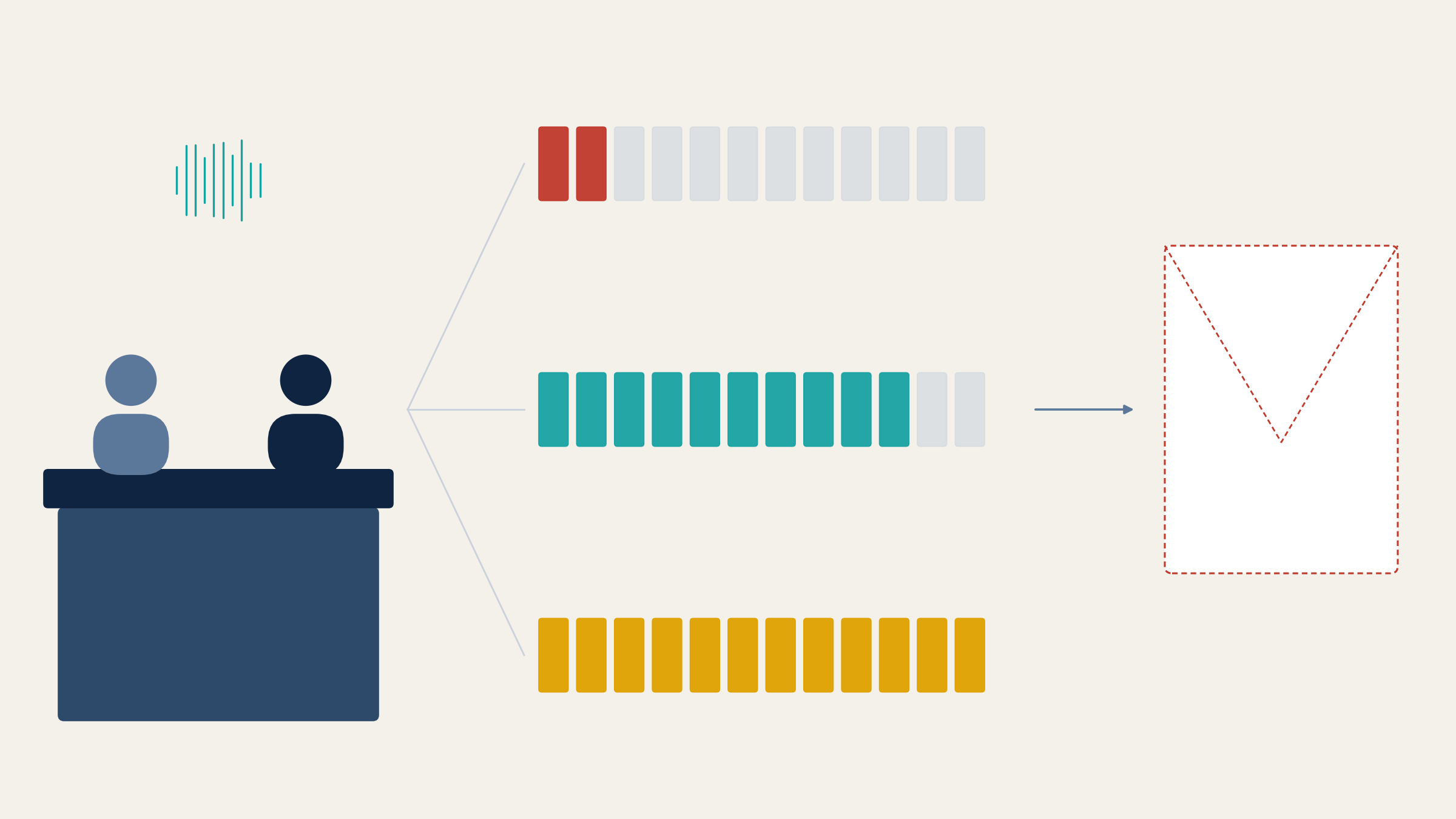
Most institutions have a process for oral disputes. Each piece of it records something, just not the part the rule turns on.
- The intake form records what the member alleged: the transactions, the amounts, maybe a fraud checkbox. It rarely records whether the teller explained the confirmation requirement and gave the address.
- Core system notes are typed after the member leaves, in a few words, by someone already serving the next person in line.
- Waiting for paper is not allowed. The Official Interpretations, comment 11(c)-2, say an institution “must begin its investigation promptly upon receipt of an oral notice. It may not delay until it has received a written confirmation.”
- A script on the wall helps tellers remember what to say, but it proves nothing about what was said to a particular member on a particular day.
- Memory fades faster than the retention clock. Section 1005.13(b)(1) requires keeping evidence of compliance “for a period of not less than two years”. An examiner, a complaint to the CFPB or a lawsuit asks about the conversation long after anyone remembers it.
The dispute details also matter to the investigation itself. When the member learned the card was gone decides whether liability caps at $50 or at $500 under 1005.6(b)(2). If the institution later finds no error, 1005.11(d)(1) requires a written explanation of its findings. Both depend on facts that usually surface in the first spoken account and are summarised away by the time they reach the dispute team.
What Actually Works
The fix is a verbatim, timestamped record of the oral notice itself, made openly and with the member’s consent.
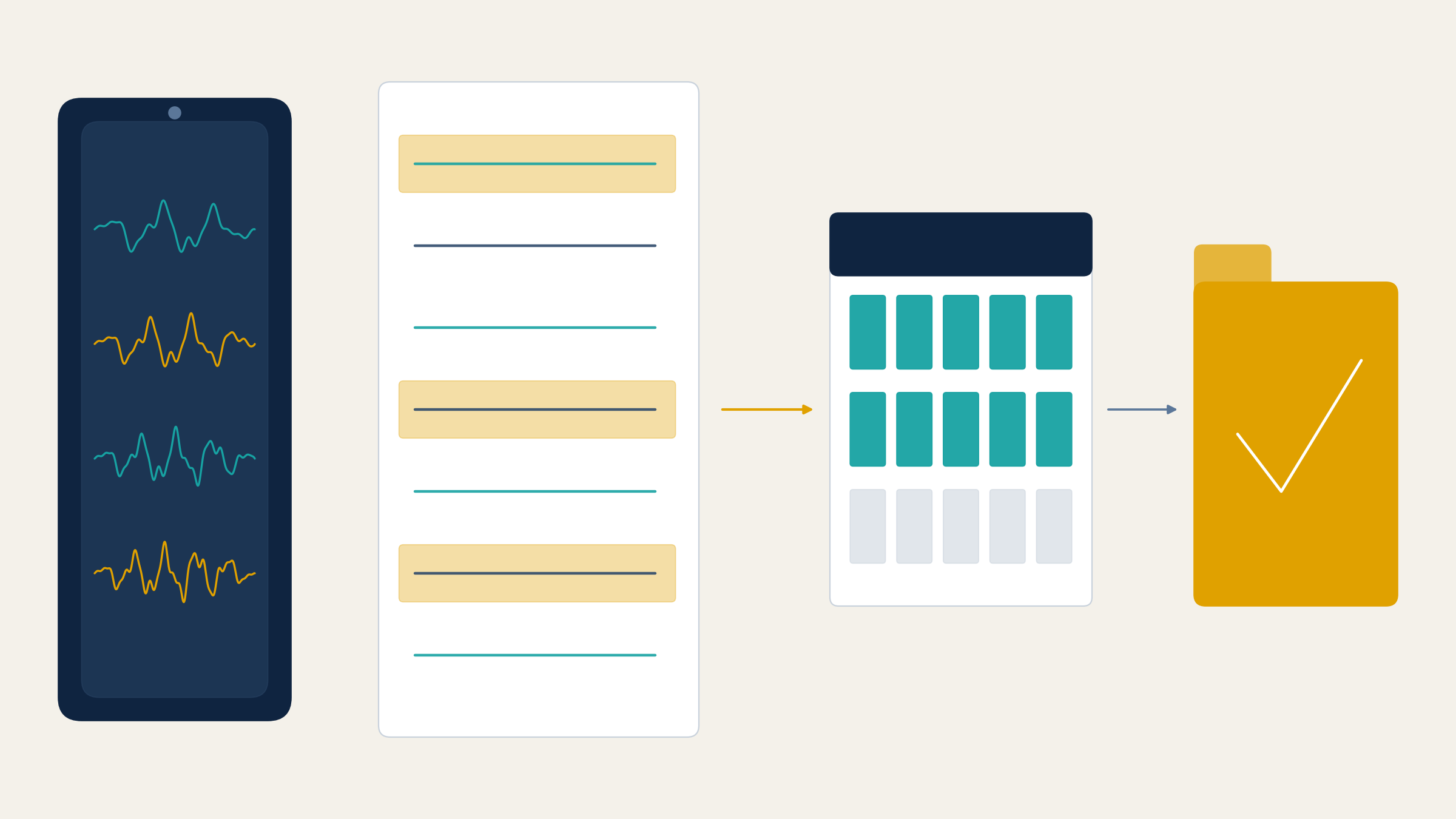
Record the dispute conversation. AmyNote runs on the iPhone or iPad already at the member service desk. Ask at the start, note the answer, and follow your institution’s policy and state consent rules for recording.
Capture the details exactly. Transcription runs on OpenAI’s latest Speech API, which holds up on the words these conversations turn on: merchant names, card not present, ACH debit, the last four digits, and the day the member noticed the card was gone.
Keep the speakers straight. Speaker identification separates the member, the teller and the dispute specialist who joins by phone, and remembers them across every follow-up call.
Turn the transcript into the case file. AI analysis runs on Anthropic’s Claude Opus. Search the transcript for the moment the confirmation requirement and the address were given, pull the date the member learned of the loss, and attach both to the dispute record the same day.
Privacy stated plainly. Transcription runs through OpenAI and Microsoft Azure speech services, and AI analysis through Anthropic. AmyNote states that it does not use customer data to train AI models and does not sell content. Audio and text are encrypted in transit with TLS, and the saved library stays on the institution’s own iPhone or iPad, where recording, playback and export work with no network.
Local first is not local only. When transcription or a summary runs, the needed audio or text is uploaded, and a processing copy may be retained to complete the request. AmyNote publishes that trade-off rather than hiding it. Whether that fits your institution’s vendor and information security policies is a decision for your compliance team.
A Short Checklist for the Member Service Desk
- Treat every “that charge isn’t mine” as a notice of error and write down the date and time it was said.
- If you require written confirmation, say so in the conversation and give the address, then note that you did.
- Ask when the member learned the card was lost or stolen, in their words. That date sets the liability tier.
- Start the investigation the same day. Do not wait for paper.
- Diary the 10 business day decision point and the provisional credit deadline from the date of the oral notice, not from the date the paperwork arrived.
What This Does Not Decide for You
A recording does not decide whether a transfer was authorized, and it does not replace your dispute procedures or legal advice. Whether to record at the branch, how to ask for consent and how long to keep recordings are decisions for your institution. What a verbatim record does is make sure that, two years later, you can show exactly what the member was told at the counter.
Getting Started
Pick one branch and one dispute type, such as debit card fraud, and record intake conversations for a month. Then compare the transcripts with the intake forms. AmyNote offers transcription by OpenAI, analysis by Anthropic’s Claude Opus, zero-training commitments from both, and a three day free trial with no credit card.
Originally published as an X Article by @AmyNoteApp.