A lender’s autodialer reaches a borrower’s cell phone for the fourth time in a week. A live agent comes on the line, and the borrower says it plainly: stop calling this number. The agent says the request is noted. Three weeks and eleven calls later, the borrower sits down with a consumer attorney, and the first question is the one nobody can answer: what exactly was said, and on what date?
Nobody has to be acting in bad faith for that question to go unanswered. The agent may have picked a disposition code and moved on. The borrower may remember the call clearly but not the day. What the law cares about is the date and the words, and those are exactly the two details a spoken request leaves behind.
The Problem: The Revocation Was Spoken
The Telephone Consumer Protection Act rules let people withdraw consent the way people actually talk. Under 47 CFR 64.1200(a)(10), a called party may revoke prior express consent “by using any reasonable method to clearly express a desire not to receive further calls or text messages from the caller or sender.”
The rule then names methods that count per se: an automated or key press opt-out on a call, a reply text such as stop or unsubscribe, or a website or number the caller designates. A sentence spoken to a live agent is not on that list. It can still be a reasonable method. It just does not prove itself.
What turns on that sentence:
- The ten-day clock. Requests made “in any reasonable manner must be honored within a reasonable time not to exceed ten business days from receipt of such request,” under 64.1200(a)(10).
- The damages. For autodialed and prerecorded calls, 47 USC 227(b)(3) allows “$500 in damages for each such violation,” and up to three times that when the violation is willful or knowing.
- The five-year list. For telemarketing calls, a do-not-call request “must be honored for 5 years from the time the request is made,” under 64.1200(d)(6).
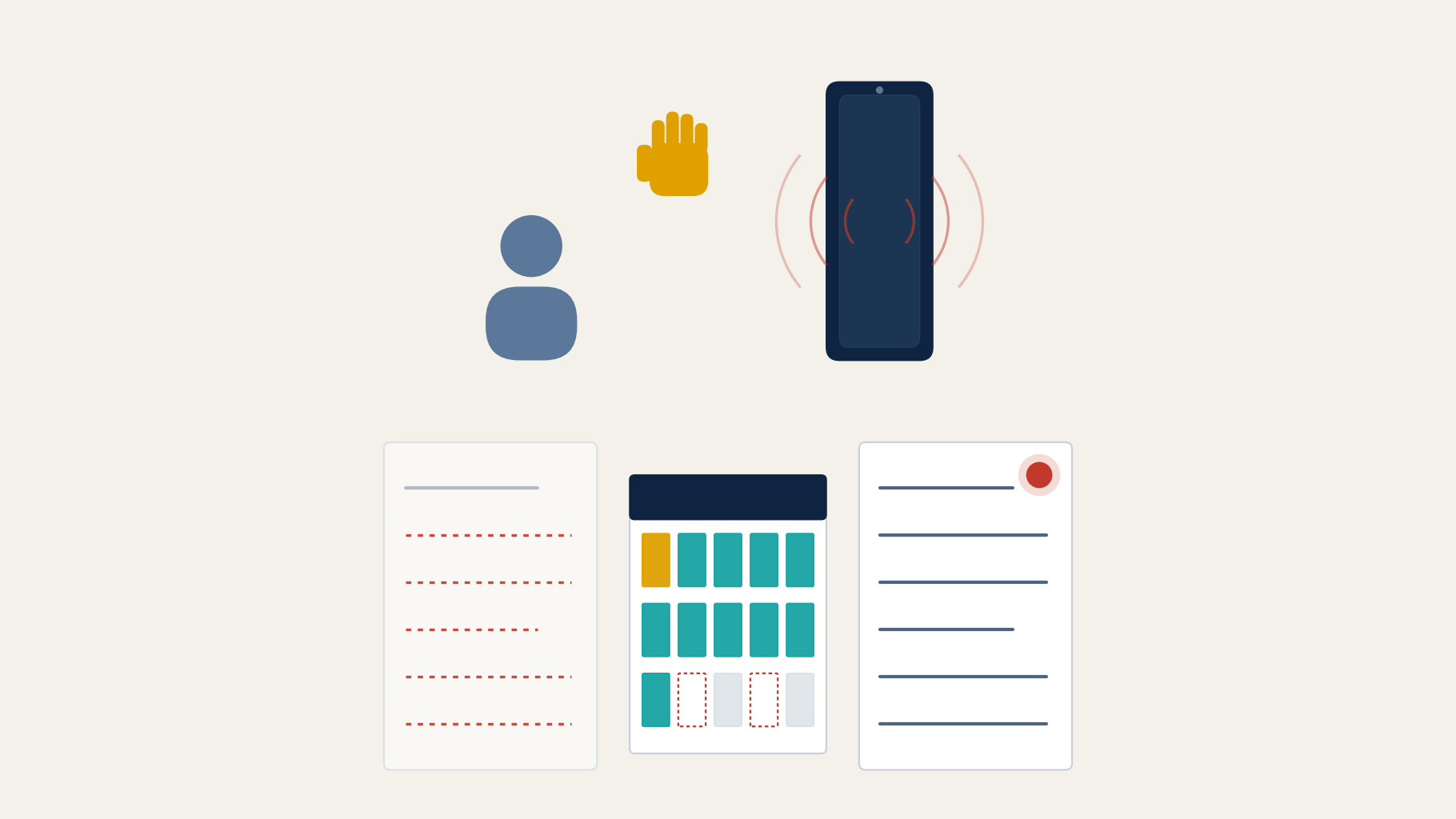
Each of these runs from the date and the words of one phone call. If the date moves, the ten business days move with it, and so does the line between calls the caller was allowed to make and calls it was not.
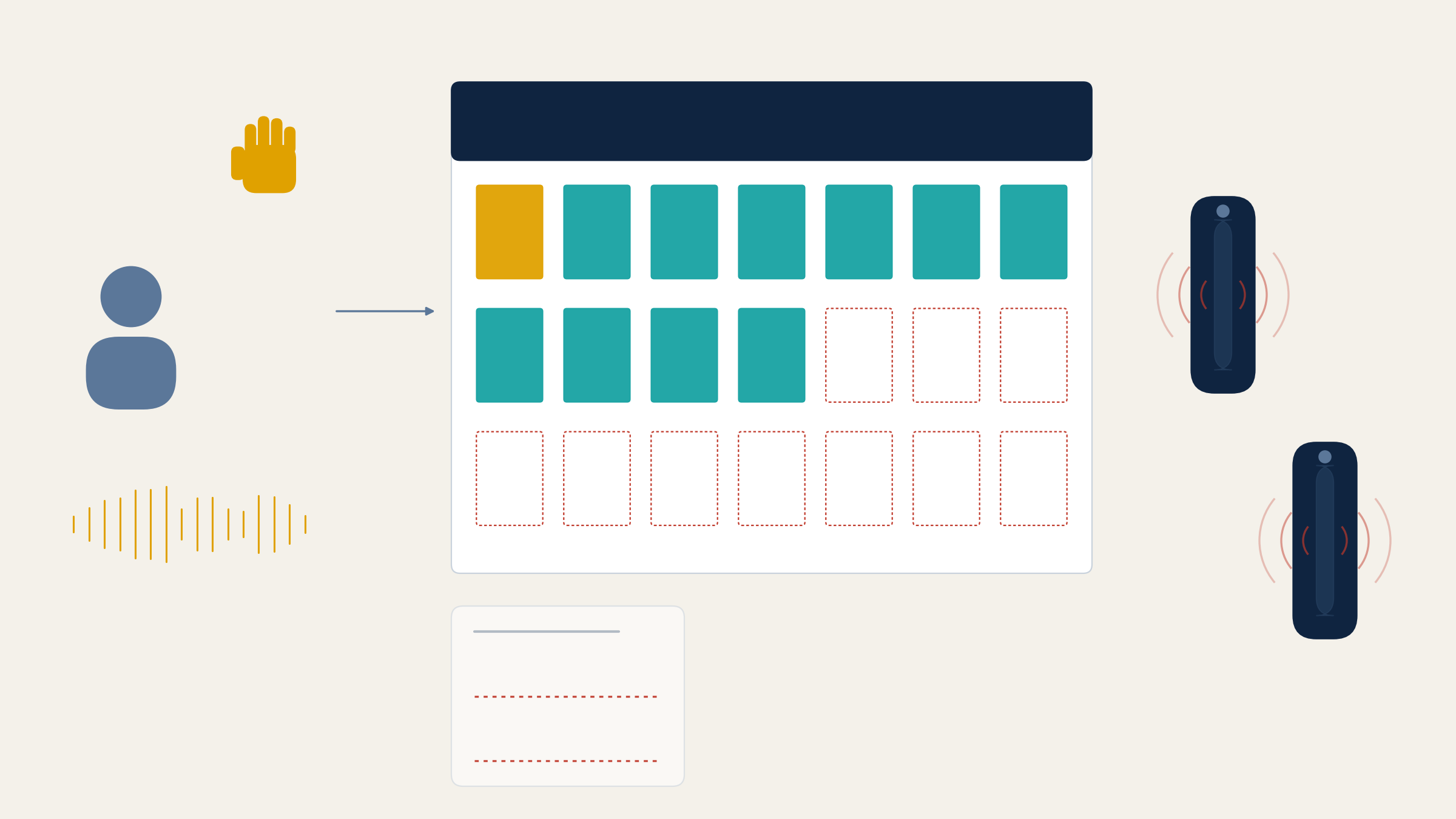
Why Current Solutions Fail
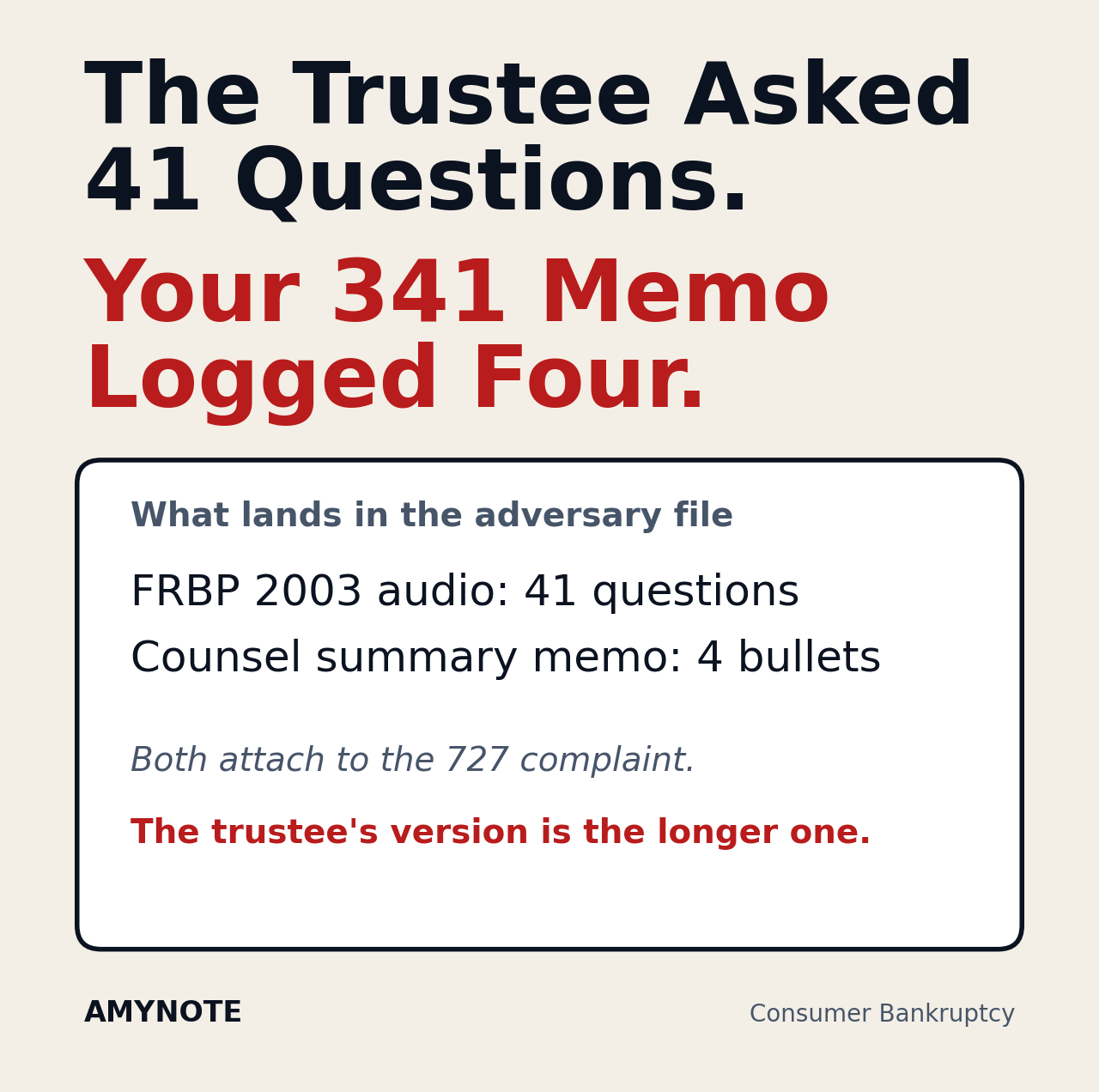
The rules put the burden in an awkward place. For a method that is not on the per se list, 64.1200(a)(11) says it “creates a rebuttable presumption that the consumer has revoked consent when the called party satisfies their obligation to produce evidence that such a request has been made.”
Read that carefully: the presumption helps the consumer, but only after the consumer produces evidence. The evidence usually sits with the caller.
- The caller writes the note. For telemarketing, 64.1200(d)(3) says the caller “must record the request” when it is made. The record of your request is kept by the company you asked to stop.
- A disposition code is not a sentence. “Customer ended call” and “please stop calling this number” can land in the same field.
- Memory fades faster than litigation. A do-not-call claim under 227(c)(5) requires “more than one telephone call within any 12-month period,” so the calls that matter can stretch across months.
- The caller has a defense on file. Under 227(c)(5), the defendant can show it “has established and implemented, with due care, reasonable practices and procedures to effectively prevent telephone solicitations.” The caller’s procedures binder is ready. Your recollection is not.
A handwritten note made the same day helps. A call log on your phone shows that a call happened and how long it lasted. Neither shows what you said. The one detail that triggers the presumption, the request itself, is the one detail neither record holds.
What Actually Works
The fix is a verbatim, timestamped record of the revocation on your side, made openly and lawfully.
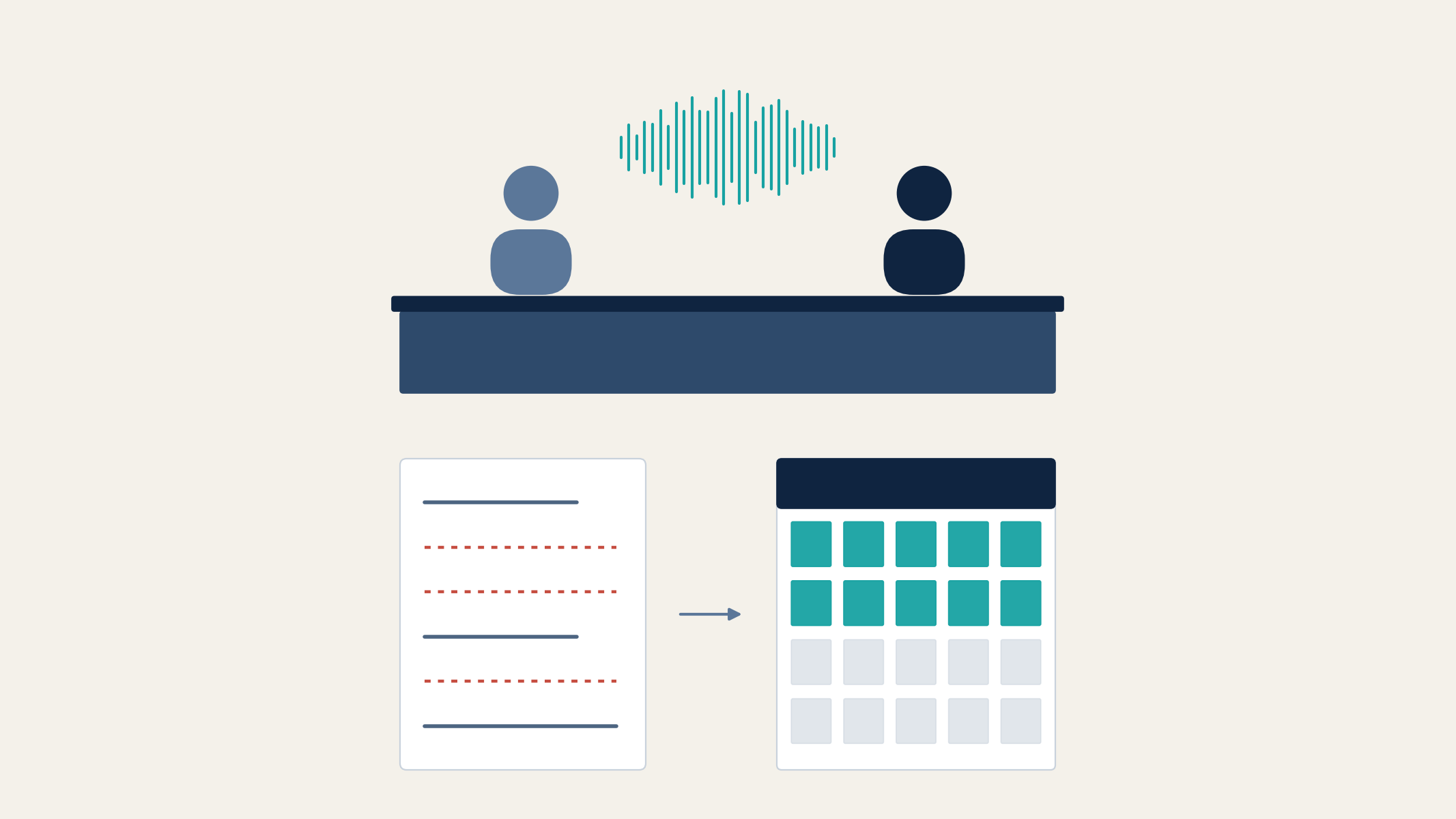
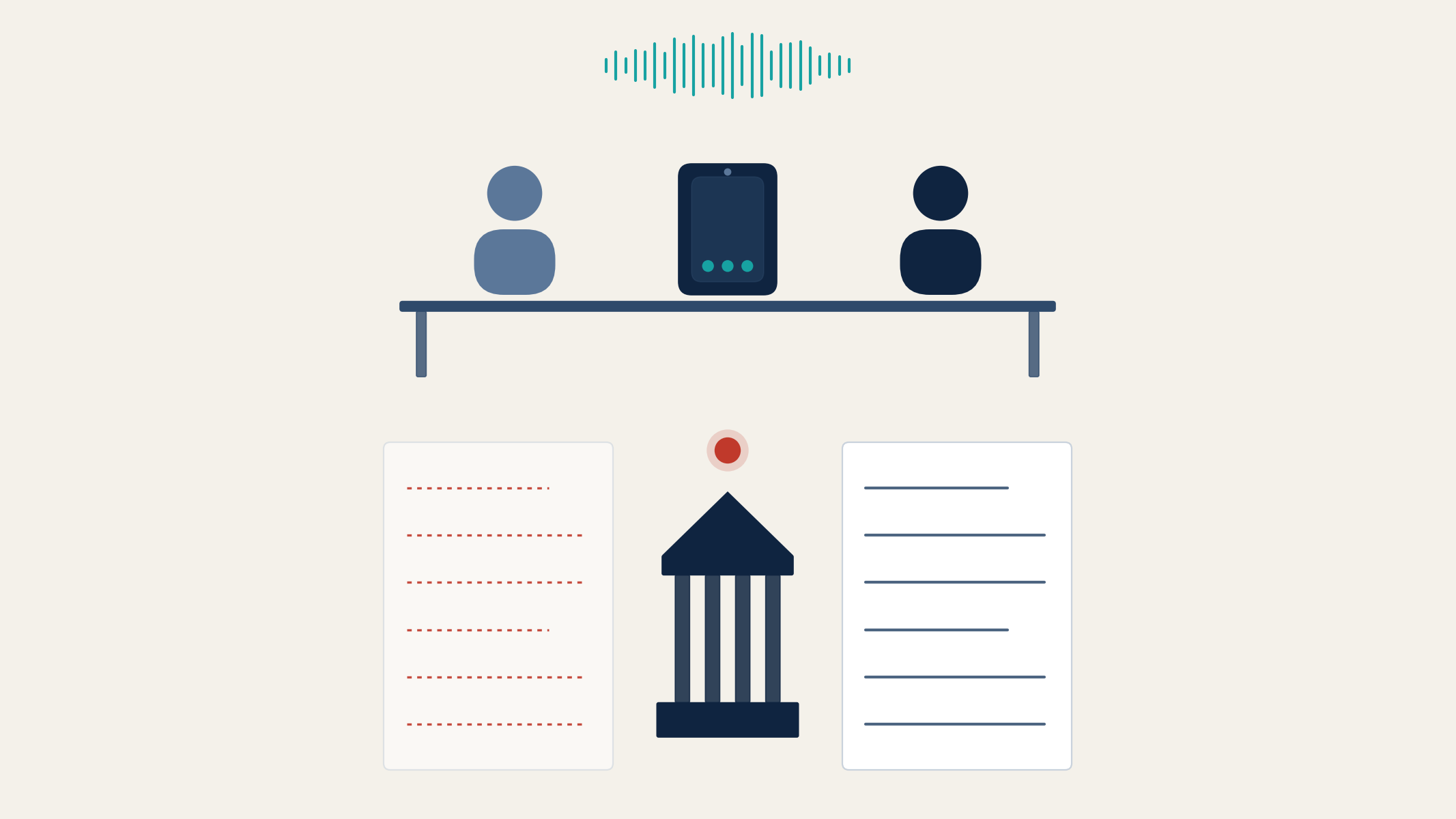
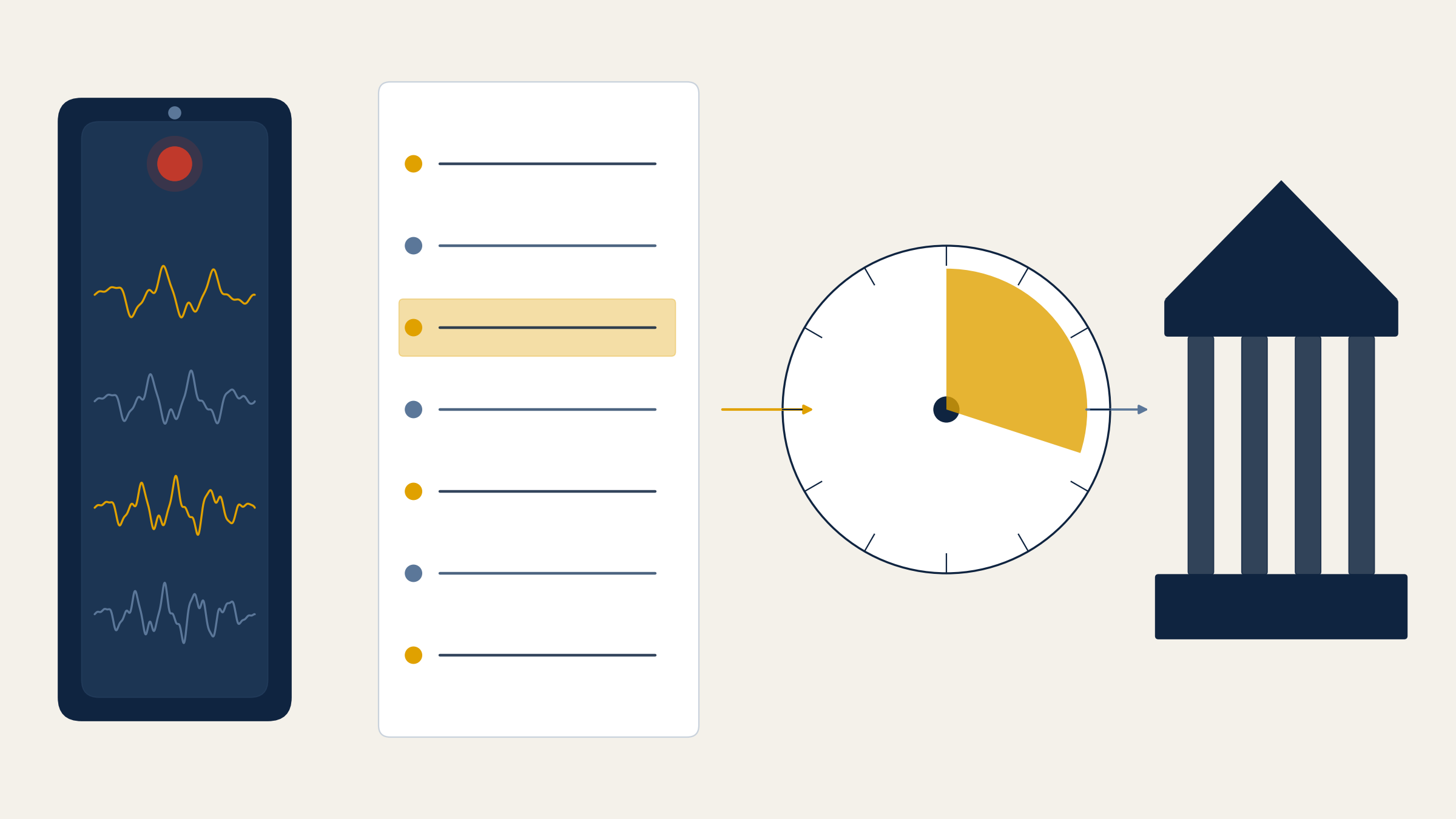
Record the call in the room. Put the incoming call on speaker and let AmyNote record from a second device nearby, such as an iPad. Tell the agent the call is being recorded, and follow your state’s consent law, since some states require every party to agree.
Capture the exact words. Transcription runs on OpenAI’s latest Speech API, so “revoke my consent,” “remove this number” and the account reference the agent reads back land in the transcript as spoken.
Keep the speakers straight. Speaker identification separates you from the agent and remembers voices across later calls, so the calls that came after your request line up in one place.
Find the sentence that mattered. AI analysis runs on Anthropic’s Claude Opus. Ask where you told them to stop, and you get the quote and the timestamp to hand to an attorney.
Privacy stated plainly. Transcription runs through OpenAI and Microsoft Azure speech services, and AI analysis through Anthropic. AmyNote states that it does not use customer data to train AI models and does not sell content. Audio and text are encrypted in transit with TLS, and the saved library stays on the user’s own iPhone or iPad, where recording, playback and export work with no network.
Local first is not local only. When transcription or a summary runs, the needed audio or text is uploaded, and a processing copy may be retained to complete the request. AmyNote publishes that trade-off rather than hiding it.
A Short Checklist for the Stop-Calling Call
- Say that the call is being recorded, at the start, so consent is on the recording itself.
- Ask for the agent’s name and the company name, and let any account reference be read back.
- Say one clear sentence. Stop calling this number, and revoke any consent to call or text it.
- Ask the agent to confirm the request has been entered, and note the date and time the call ended.
- Log every call that follows, with date, time and number, alongside the recording of the request.
What This Does Not Decide for You
A recording does not decide whether a particular call violated the TCPA, whether the caller used equipment the statute covers, or whether a claim is worth bringing. It is not legal advice, and an attorney should look at the facts. Recording consent rules differ by state, so check yours before you press record. What a verbatim record does is make sure that, when the date or the words of your request are in dispute, the caller’s note is not the only account of the call.
Getting Started
The next time an unwanted caller puts a live person on the line, record the call with consent and say one clear sentence: stop calling this number. Then keep a dated log of every call that follows. AmyNote offers transcription by OpenAI, analysis by Anthropic’s Claude Opus, zero-training commitments from both, and a three day free trial with no credit card.
Originally published as an X Article by @AmyNoteApp.