A financial analyst at a public company flags revenue booked a quarter early. Three weeks later she is let go. She calls OSHA and talks for fifty minutes: the email to the controller, the meeting where her manager told her to drop it, the timing. Two months later the company answers a complaint she never wrote.
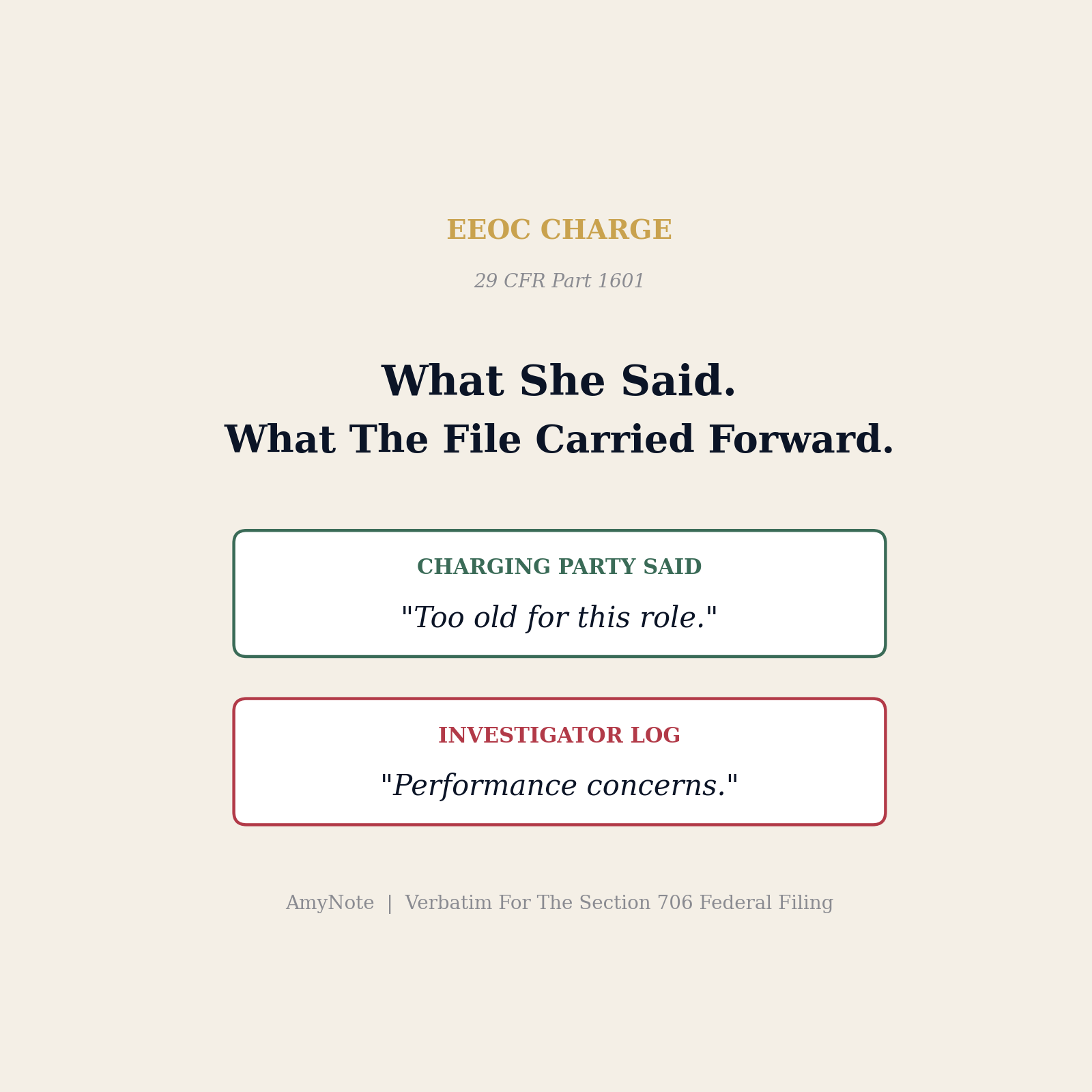
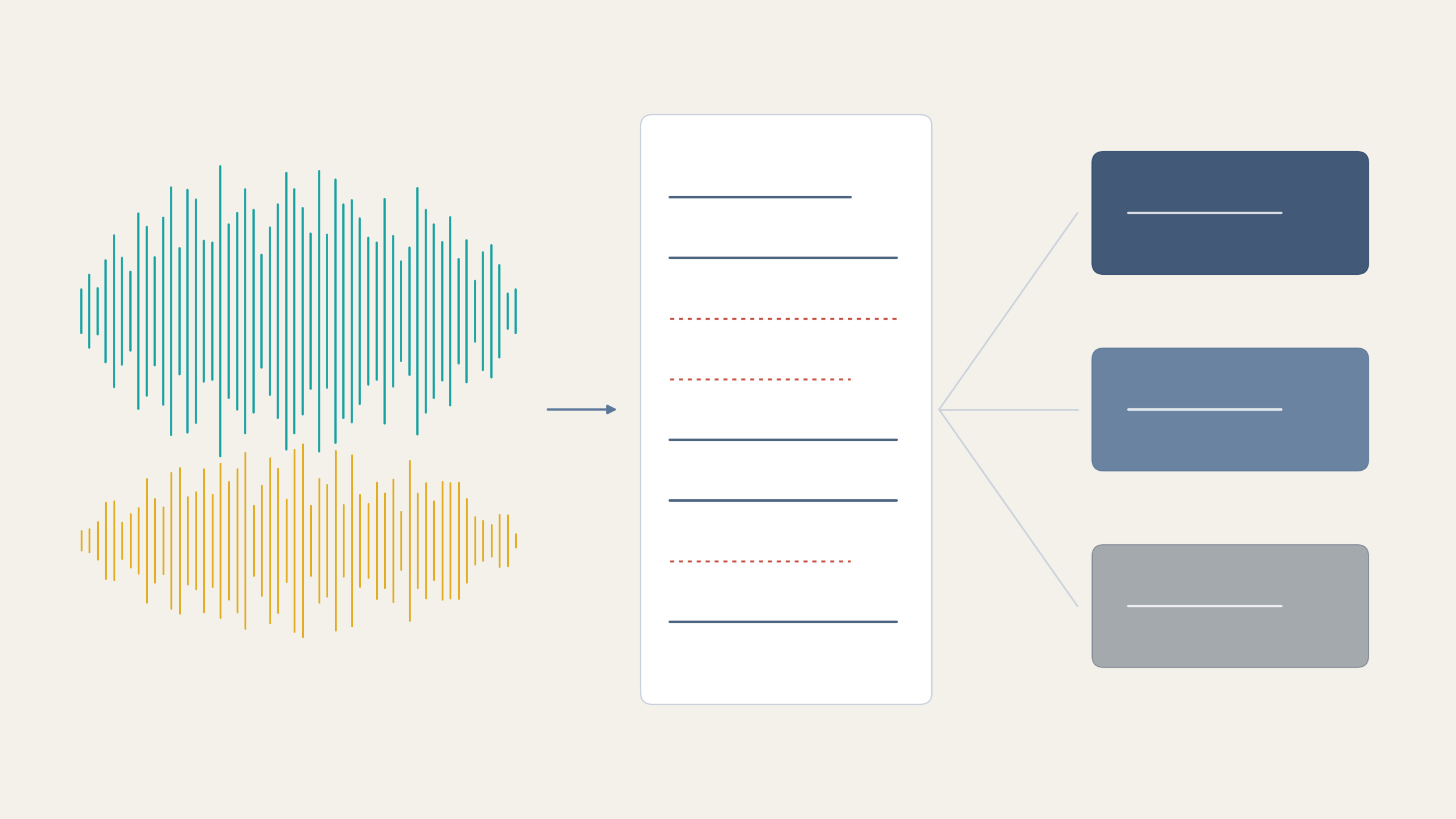
Nothing about that sequence is unusual, and nothing in it is anyone’s fault. It is simply how the procedure is designed. The complaint that the rest of the case is built on can start as a conversation, and the version that travels forward is a summary written by someone else. Whatever did not make it into the summary is, for procedural purposes, not there.
The Complaint Is Written by the Agency
Sarbanes-Oxley Section 806 (18 USC 1514A) protects employees of public companies who report conduct they reasonably believe is securities fraud. The procedure lives in 29 CFR Part 1980, and it opens with a sentence most complainants never read.
Under 29 CFR 1980.103(b), “No particular form of complaint is required. A complaint may be filed orally or in writing. Oral complaints will be reduced to writing by OSHA.”
That is a generous rule. It means an employee who has just lost a job does not need a lawyer, a form or a polished narrative to preserve a claim. A phone call is enough. But the generosity has a cost that only shows up later: the complainant speaks, and somebody else decides what the complaint says.
The phone call is the filing. Section 1980.103(d) counts the date of the “telephone call” as the filing date, inside a 180 day window. The written version then drives every step after it:
- The company is told “of the allegations contained in the complaint” under 1980.104(a).
- The screen reads it. Under 1980.104(e)(2), the complaint, “supplemented as appropriate by interviews of the complainant,” must show protected activity, knowledge, an adverse action and a contributing factor.
- If it falls short, the investigation “will not commence.”
A report she described on the call but that never made the summary does not exist for any of those steps. If the email to the controller is in the written complaint but the meeting where her manager told her to drop it is not, the company responds to one protected report, not two, and the knowledge element is argued on a thinner record than the one she actually gave.
Why the Usual Fixes Fall Short
Everyone involved knows summaries lose detail. The standard workarounds each fail in a specific place.
- Drafting it yourself first helps, but most people call before they have a lawyer, and the 180 day clock does not wait for a clean draft.
- Notes taken during the call are fragments written by the person who is also doing the talking.
- Follow-up interviews repeat the problem. They are oral too, and OSHA writes them up.
- The employer’s side has the same gap. Under 1980.104(b), the company “may request a meeting with OSHA to present its position.” Nothing requires a record of that meeting either.
The last point matters for employer-side counsel and compliance teams as much as for complainants. The position a company presents in that meeting is itself a set of spoken statements that someone else summarises. If the summary overstates, understates or simply omits what was said, the company has the same problem the complainant has, pointed in the other direction.
None of this is a criticism of investigators. Reducing a fifty minute conversation to a document is exactly what the rule asks them to do, and a summary is supposed to be shorter than its source. The gap is structural: the rule creates a written record from an oral one and then keeps only the written one.
The Clock Keeps Running on the Written Version
Section 1980.105(a) schedules OSHA’s findings within 60 days of filing. And under 18 USC 1514A(b)(1)(B), if no final decision has issued within 180 days of filing, the complainant may take the case to federal district court. Both timelines start from the call. Neither waits for someone to notice that the written complaint is missing a report, a date or a name.
That is why the check has to happen early. The useful window for correcting the written version is the period between receiving it and the findings, not months later when the case has moved to a different forum and the summary has already been read by everyone who matters.
What Actually Works
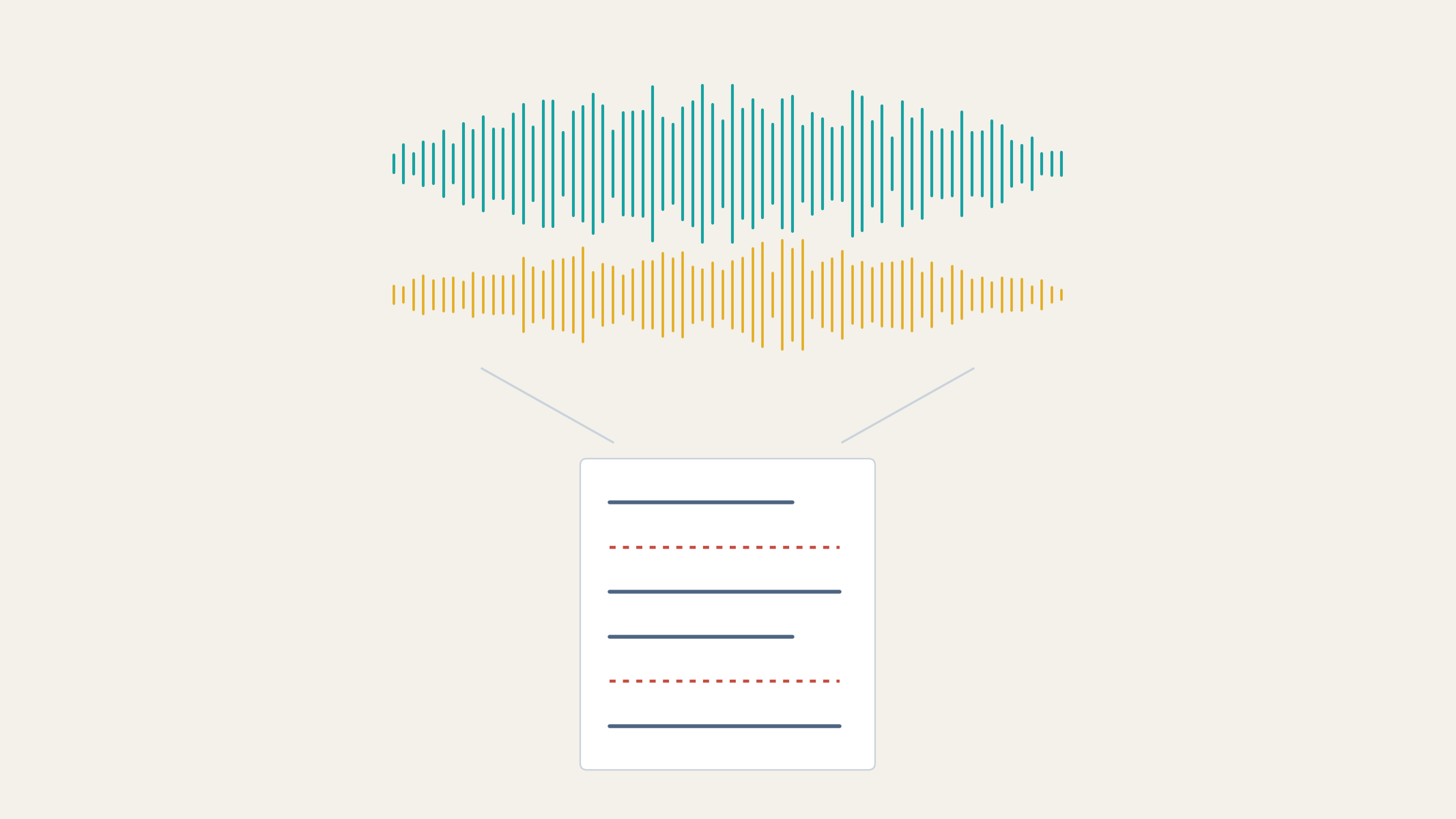
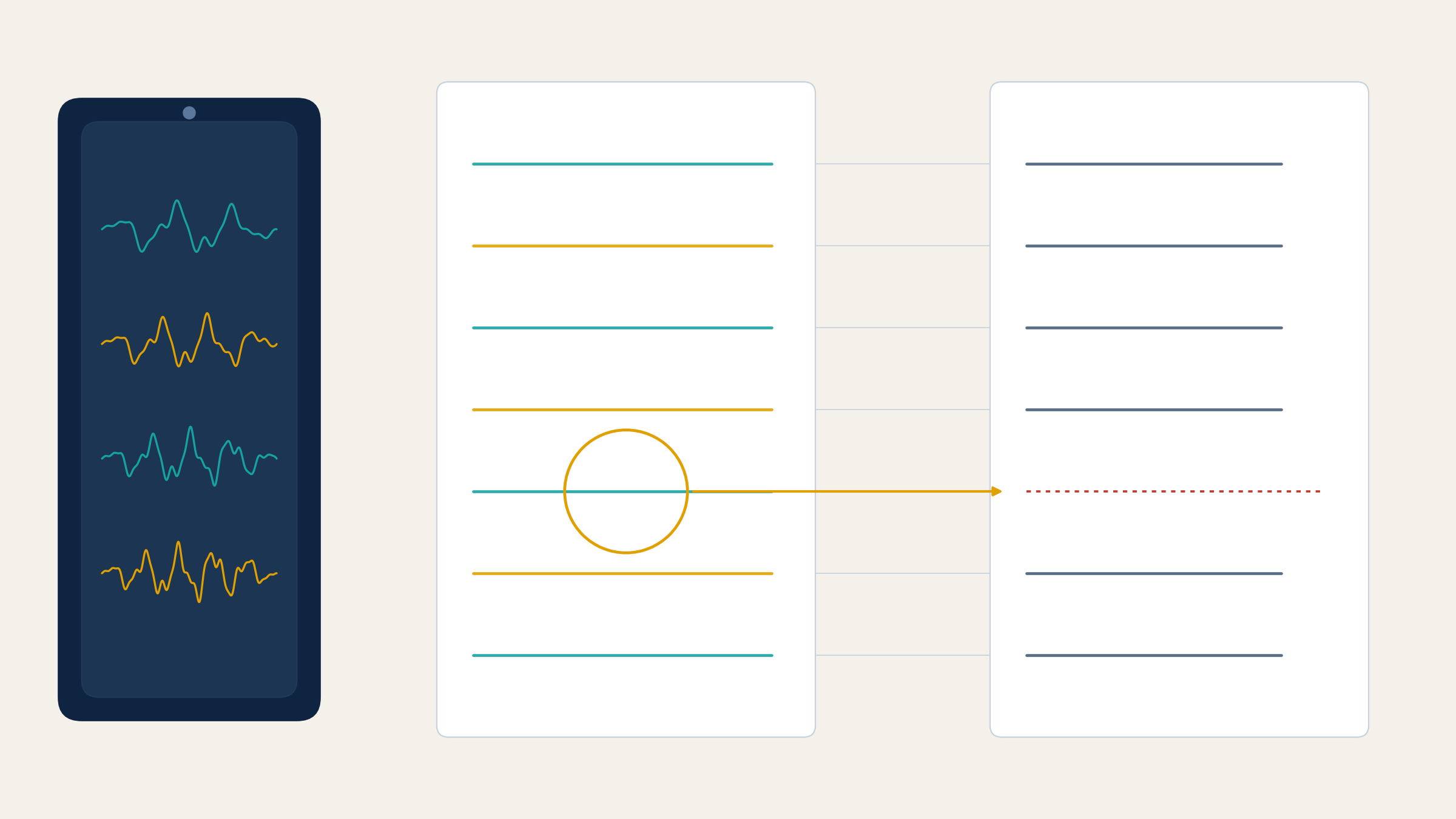
The fix is a verbatim record of every conversation the written complaint is built from, made with everyone on the call aware of it.
Record the intake call and every interview. AmyNote runs on the iPhone already in hand. Tell the investigator at the start and ask; consent rules for recorded calls vary by state.
Get the facts down exactly. Transcription runs on OpenAI’s latest Speech API, which holds up on the vocabulary these calls are made of: revenue recognition, bill and hold, internal controls, audit committee, Form 10-Q.
Keep the speakers straight. Speaker identification separates the complainant, counsel and the investigator, and remembers them from the intake call through every follow-up.
Check the summary against the source. AI analysis runs on Anthropic’s Claude Opus. When the written complaint arrives, search the transcripts for each protected report and each date, and raise any gap before OSHA issues findings, which 1980.105(a) schedules within 60 days of filing.
Privacy stated plainly. Transcription runs through OpenAI and Microsoft Azure speech services, and AI analysis through Anthropic. AmyNote states that it does not use customer data to train AI models and does not sell content. Audio and text are encrypted in transit with TLS, and the saved library stays on the complainant’s own device, where recording, playback and export work with no network.
Local first is not local only. When transcription or a summary runs, the needed audio or text is uploaded, and a processing copy may be retained to complete the request. AmyNote publishes that trade-off rather than hiding it.
What This Does Not Decide for You
A recording does not make a claim stronger than it is, and it does not replace counsel. Whether to record, how to raise a discrepancy with the investigator, and whether to supplement the complaint in writing are decisions for the complainant and their lawyer. What a verbatim record does is make those decisions possible, because it turns “I think I told them about that meeting” into something that can be checked.
Getting Started
If the call to OSHA has not happened yet, record it. If it has, record the next interview. AmyNote offers transcription by OpenAI, analysis by Anthropic’s Claude Opus, zero-training commitments from both, and a three day free trial with no credit card.
Originally published as an X Article by @AmyNoteApp.