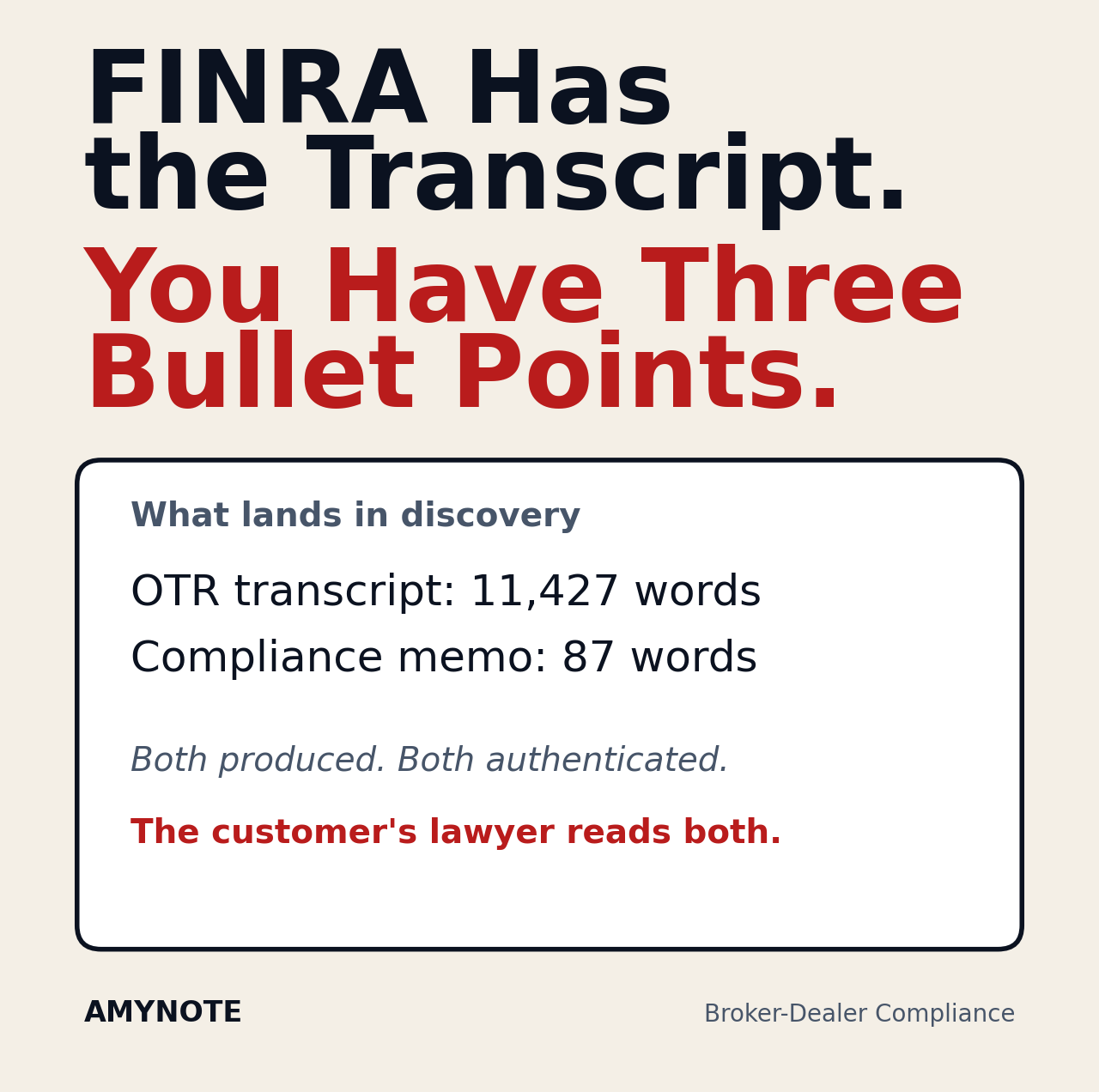
A client calls on a Tuesday afternoon and wants to liquidate an entire equity position. The adviser spends forty minutes talking through the tax consequences, the client’s stated time horizon, and why a partial rebalance is the better answer. The client agrees. Three years later an examiner asks what advice was given that day, and the only surviving artifact is a calendar entry that reads “client call.”
Nothing went wrong in that conversation. The adviser gave careful, well-reasoned advice and the client took it. The problem is purely evidentiary: the firm kept every document the rules name and still cannot produce the one thing the examiner is asking about.
The Rule Only Reaches What You Wrote Down
Rule 204-2(a)(7) is precise about the obligation. It requires advisers to keep “Originals of all written communications received and copies of all written communications sent by such investment adviser” relating to, among other things, “Any recommendation made or proposed to be made and any advice given or proposed to be given.”
Read the qualifier twice. The duty attaches to written communications. Advice delivered by phone, at a kitchen table, or across a conference room is still advice under the Advisers Act, and it produces nothing the recordkeeping rule can reach.
This is not a loophole and it is not an oversight. The rule was built around artifacts that already existed as paper, and it does its job well on them. What it cannot do is reach a category of communication that leaves no artifact at all. The obligation and the evidence are the same thing here: where there is no document, there is nothing to preserve, and so nothing to produce later.
What does get captured is held a long time. Rule 204-2(e)(1) requires those records to be “maintained and preserved in an easily accessible place for a period of not less than five years from the end of the fiscal year during which the last entry was made on such record, the first two years in an appropriate office of the investment adviser.”
Note how much care that sentence takes. Not just five years, but five years from the end of the fiscal year of the last entry, with the first two in an appropriate office and the whole set in an easily accessible place. It is a demanding standard, and firms invest real money in meeting it.
Section 204 of the Advisers Act then puts all of it within reach. “All records (as so defined) of such investment advisers are subject at any time, or from time to time, to such reasonable periodic, special, or other examinations by representatives of the Commission.”
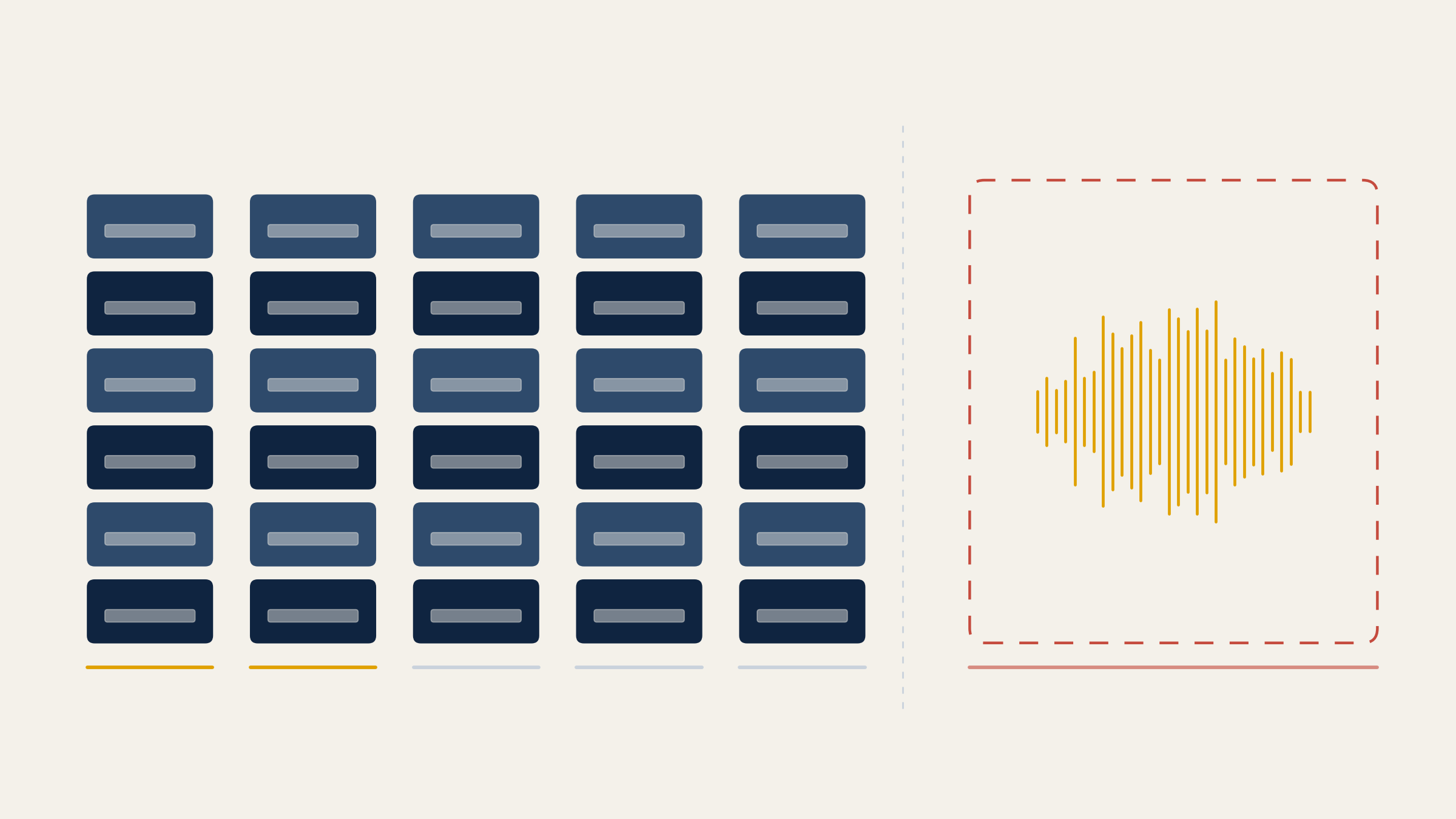
Five years of documents, examinable at any time. Zero minutes of the conversation that generated them.
Why the Usual Substitutes Do Not Close It
Firms know the gap exists. The standard patches each fail in a specific way.
- The CRM note is a summary written by the person with the most at stake. It captures the conclusion and drops the reasoning, and it is typed after the call, from memory. Under examination, its weakness is not honesty but provenance: it is the adviser’s later account of the adviser’s own advice.
- The confirming email is drafted to be short. It records the trade. It rarely preserves the risk discussion, the client’s stated objective, or the fact that the client overrode the recommendation — which is very often the single most useful fact three years later.
- The compliance file proves the policy existed, not that anyone followed it. Rule 206(4)-7 requires written policies and procedures, a review “no less frequently than annually,” and a designated chief compliance officer. All of that is necessary and none of it reconstructs Tuesday.
- Meeting bots do not attend phone calls or living rooms. They join scheduled video conferences, which is not where most advisory conversations actually happen.
The pattern across all four is the same. Each substitute preserves the outcome of a conversation while discarding the reasoning, the sequencing and the client’s own words — which is precisely the material an examiner’s question turns on. A summary can tell you that a partial rebalance was recommended. It cannot show that the tax consequences were explained before the client agreed, or that the client’s stated time horizon was the reason for the recommendation rather than a justification assembled afterward.
What Closing the Gap Looks Like
The fix is not more summarizing. It is capturing the conversation where it happens and turning it into something searchable years later.
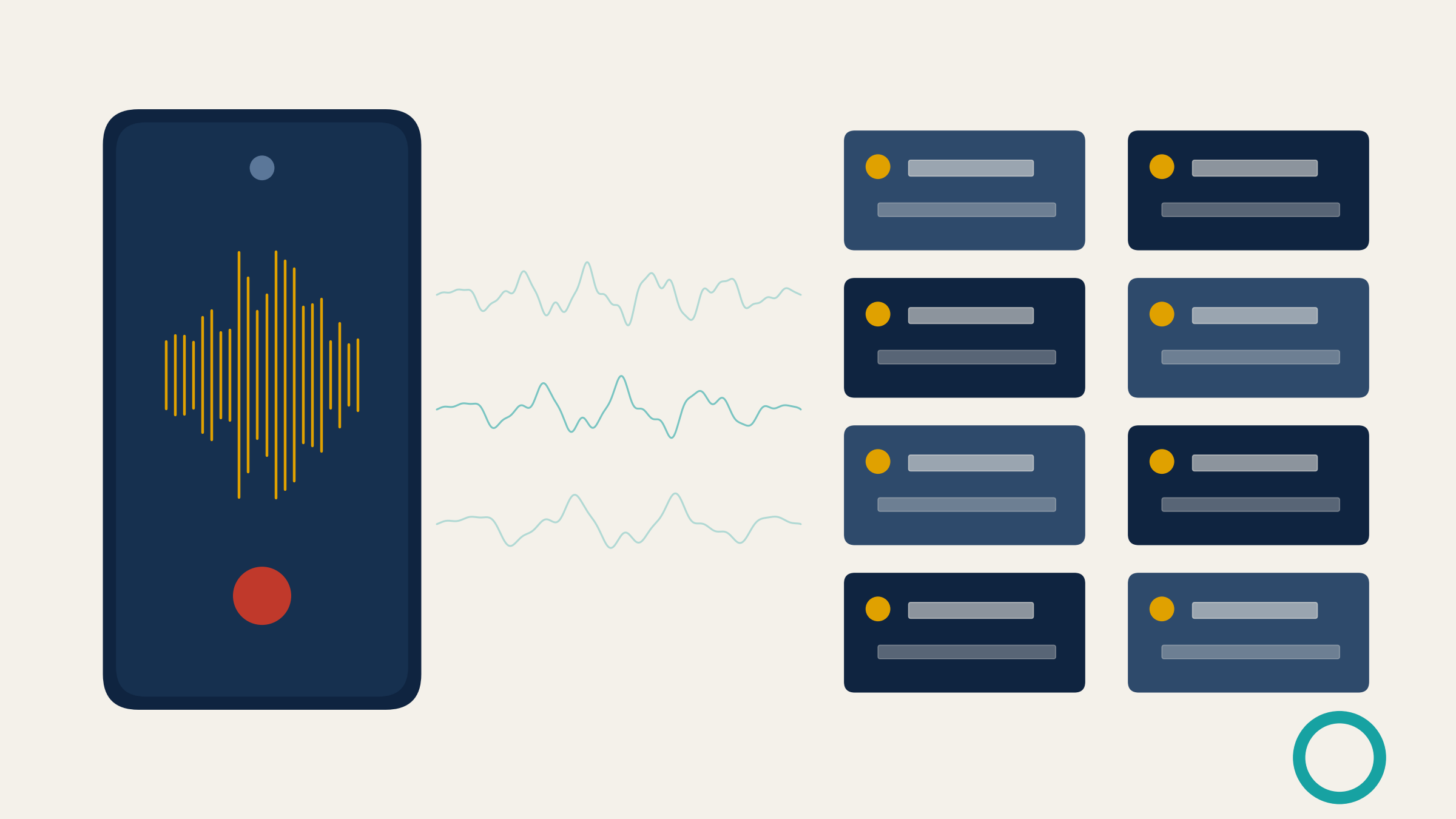
Record the conversation itself, in the room. AmyNote runs on the iPhone or iPad already in the adviser’s pocket, so an in-person review or an ordinary phone call produces a full recording rather than a reconstruction. No bot has to be invited to anything, and nothing needs to be scheduled in advance — which matters, because the Tuesday afternoon call that turns out to be important is never the one anybody planned for.
Get the terminology right. Transcription runs on OpenAI’s latest Speech API, which handles the vocabulary these conversations are actually made of: basis points, duration risk, concentration limits, wash sale, Sharpe ratio, qualified dividend treatment. A transcript that mangles the technical terms is not a usable record of technical advice.
Know who said what. Speaker identification with cross-session memory separates the adviser from the client from the client’s accountant, and keeps those identities consistent across the whole relationship rather than relabeling everyone each meeting. Attribution is often the entire question: whether the client raised the liquidation or the adviser proposed it changes the character of the advice.
Find the sentence three years later. AI analysis runs on Anthropic’s Claude Opus, and semantic search works across every transcript in the library. When the examiner asks about a specific recommendation, the answer is a timestamped passage, not a recollection. The five-year horizon in 204-2(e)(1) is long enough that memory is not a plausible retrieval mechanism, which is the whole reason the preservation rule exists for documents.
Privacy that matches what compliance can actually represent. Transcription runs through OpenAI and Microsoft Azure speech services and AI analysis through Anthropic. AmyNote states plainly that it does not use customer data to train AI models and does not sell content. Audio and text are encrypted in transit with TLS. The saved library of recordings, transcripts and notes lives on the adviser’s own device, and recording, playback, reading and export all work with no network at all.
AmyNote is equally explicit about the limit: local-first is not local-only. When transcription or an AI summary runs, the required audio or text is uploaded, and a processing copy may be retained on AmyNote’s infrastructure to complete and recover the request. That trade-off is published rather than hidden, which is the property that matters when a CCO has to describe the tool accurately in a policy document rather than repeat a marketing claim.
The honest limits belong in the same breath. AmyNote is iOS only, with no Android or desktop client. There is no free tier, only a three day trial. It publishes no SOC 2, ISO 27001, HIPAA or GDPR certification and sells no SSO or SCIM at any price — so a firm whose diligence process requires that paperwork should know it is not there before evaluating anything else.
Getting Started
Run it on the next client review. Transcription by OpenAI, analysis by Anthropic’s Claude Opus, zero-training commitments from both, and a three day free trial with no credit card.
One caveat worth handling first: recording client conversations is a consent question before it is a technology question. Confirm your firm’s policy and the consent rules in your state, then let the record exist. Bring the CCO in at the start rather than after the first recording — under 206(4)-7 the written policies and the annual review are theirs to own, and a capture practice that is not reflected in those policies creates a different problem than the one it solves.
The written record was never the weak point. Five years of it sits in an easily accessible place, exactly as the rule requires. What is missing is the forty minutes that produced it, and that is the part a phone on the table can fix.
Originally published as an X Article by @AmyNoteApp.