At shift change, a warehouse lead tells their supervisor that their mother had a stroke and they will need to drive her to rehab three mornings a week. The supervisor says family comes first and moves the schedule around. Nobody says the word FMLA. Two months later the absences show up as attendance points, and a lawyer asks what the supervisor was told, and on what day.
The supervisor did something decent. They also, without knowing it, received notice on behalf of the employer. The whole leave file that follows, the eligibility notice, the designation, the dates that protect or expose the company, depends on a two-minute exchange in a hallway that nobody wrote down.
The Problem: A Verbal Notice Starts the Clock
Under the Family and Medical Leave Act, the employee does not have to use the right words. 29 CFR 825.303(b) says that when an employee seeks leave for the first time for a qualifying reason, “the employee need not expressly assert rights under the FMLA or even mention the FMLA.”
The notice itself can be spoken. Section 825.302(c) asks for “at least verbal notice sufficient to make the employer aware that the employee needs FMLA-qualifying leave.” A supervisor hearing it counts as the employer hearing it. There is no requirement that the employee fill in a form first, email HR, or even know the law exists.
Once that happens, the employer’s clocks run:
| Obligation | Rule | What starts it |
|---|---|---|
| Eligibility notice within five business days | 825.300(b)(1) | The employer “acquires knowledge that an employee’s leave may be for an FMLA-qualifying reason” |
| Designation notice within five business days | 825.300(d)(1) | The employer has enough information to decide whether the leave qualifies |
| A duty to ask for more | 825.302(c) | “The employer should inquire further of the employee” when it needs more detail |
All three turn on what was said in one conversation. Missing them “may constitute an interference with, restraint, or denial” of FMLA rights under 825.300(e).
What Notice Actually Sounds Like
Because the employee does not have to name the law, the notice rarely sounds like a leave request. It sounds like ordinary life:
- “My mom had a stroke, I’m going to be driving her to rehab.”
- “My doctor wants me off my feet for a while after the procedure.”
- “We’re expecting in the spring.”
- “I’ve got treatment every other Friday for the next few months.”
Each of those may be enough to make the employer aware that leave could be FMLA-qualifying. Whether it was enough, and when it was said, is exactly the question that comes up later. A supervisor who responds by quietly swapping shifts has not done anything wrong in spirit, but the employer may now be on the clock without HR knowing the conversation happened.
The duty to inquire makes the conversation matter even more. If the supervisor asked a follow-up question, what was it, and what did the employee answer? If they did not ask, the gap is part of the story too.
Why Current Solutions Fail
Most employers have a leave process. Each piece starts after the moment that matters.
- The leave request form is filled out days later, if at all, and records the date HR received it, not the date the supervisor heard about the stroke.
- Supervisor notes are a line in an email or nothing, written by someone who did not know the conversation was legally significant.
- Supervisor training teaches people to escalate to HR, but it cannot reconstruct what was said on a particular day when someone forgot to.
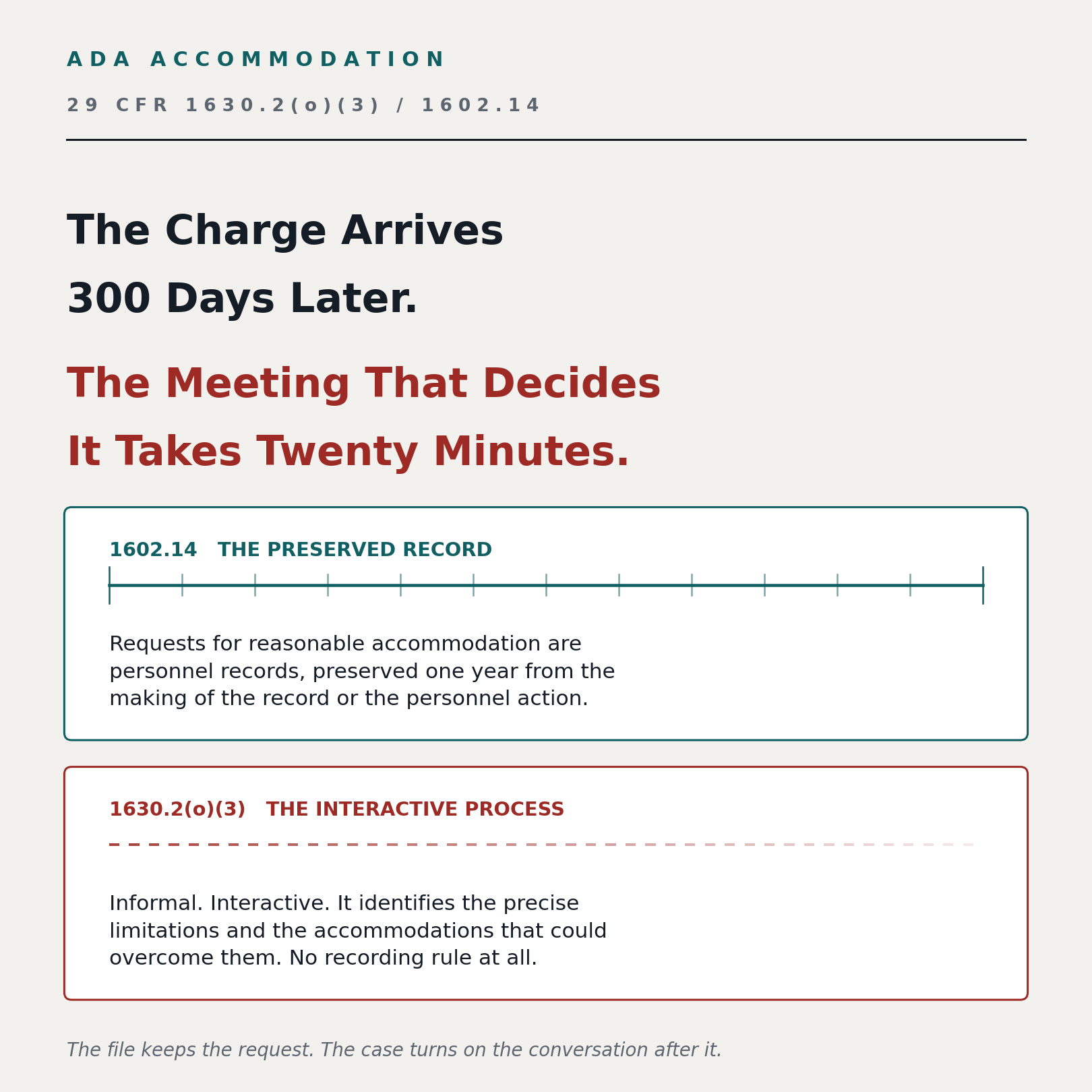
- The recordkeeping rule has a gap. Section 825.500(c)(4) requires copies of employee notices of leave “if in writing.” A verbal notice creates no required record at all.
- Memory does not last as long as the file. Employers must keep FMLA records “for no less than three years,” under 825.500(b), and a lawsuit asks about the hallway conversation long after anyone remembers it clearly.
The result is a file that is complete from the day HR got involved and silent about the day the obligation began. When the two dates are close, it rarely matters. When they are weeks apart, it can decide the case.
What Actually Works
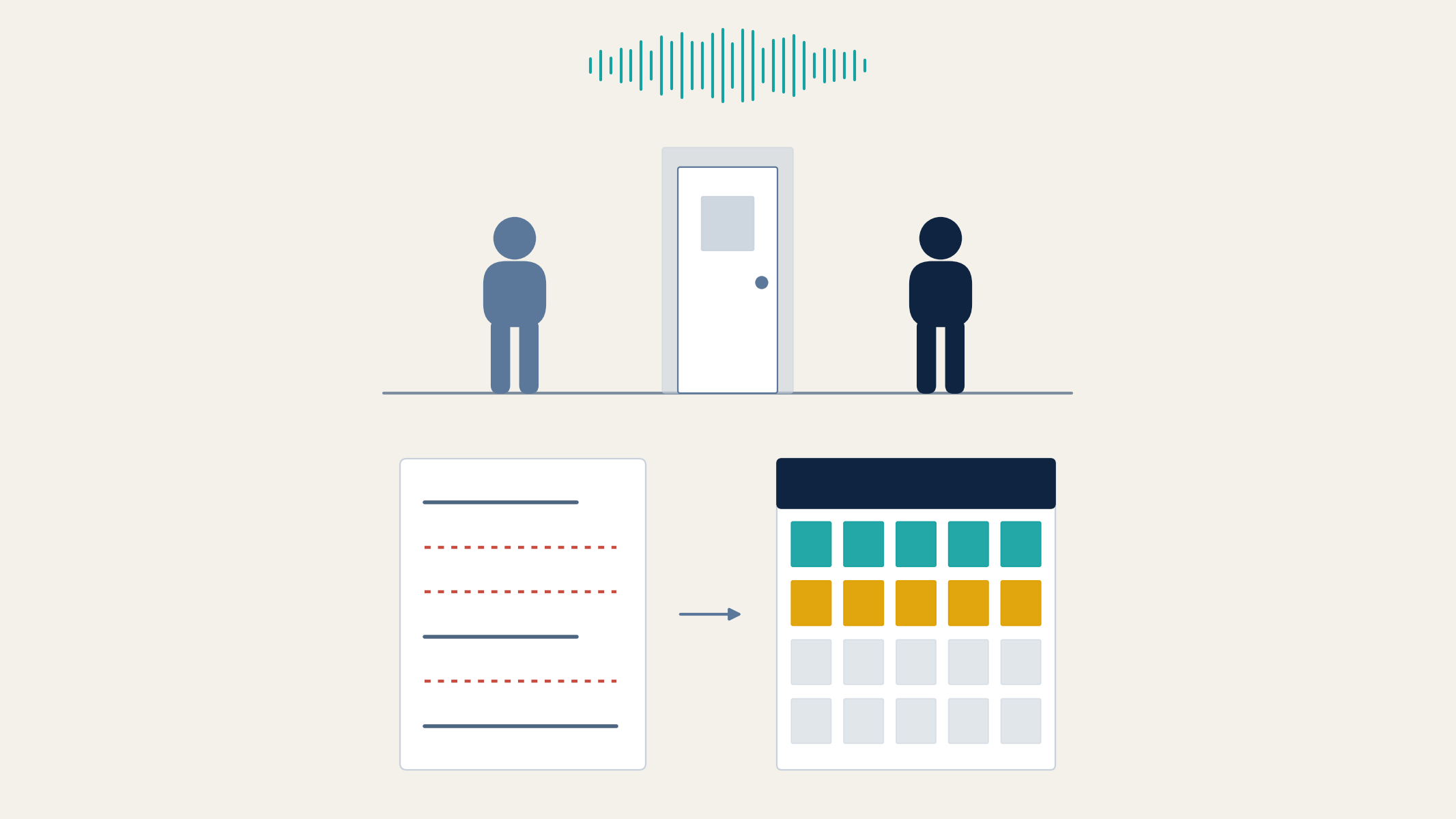
The fix is a verbatim, timestamped record of the leave conversation itself, made openly and with the employee’s consent. Not every hallway exchange can be recorded, but the follow-up conversation can: the meeting where a supervisor or HR generalist sits down with the employee to understand what they need.
Record the leave conversation. AmyNote runs on the iPhone an HR generalist or supervisor already carries. Ask at the start, note the answer, and follow your company policy and state consent laws for recording.
Capture the details exactly. Transcription runs on OpenAI’s latest Speech API, which holds up on the words these conversations turn on: intermittent leave, reduced schedule, the name of a medication, the name of a clinic, and the date the need for leave began.
Keep the speakers straight. Speaker identification separates the employee, the supervisor and the leave administrator who joins by phone, and remembers them across every follow-up conversation.
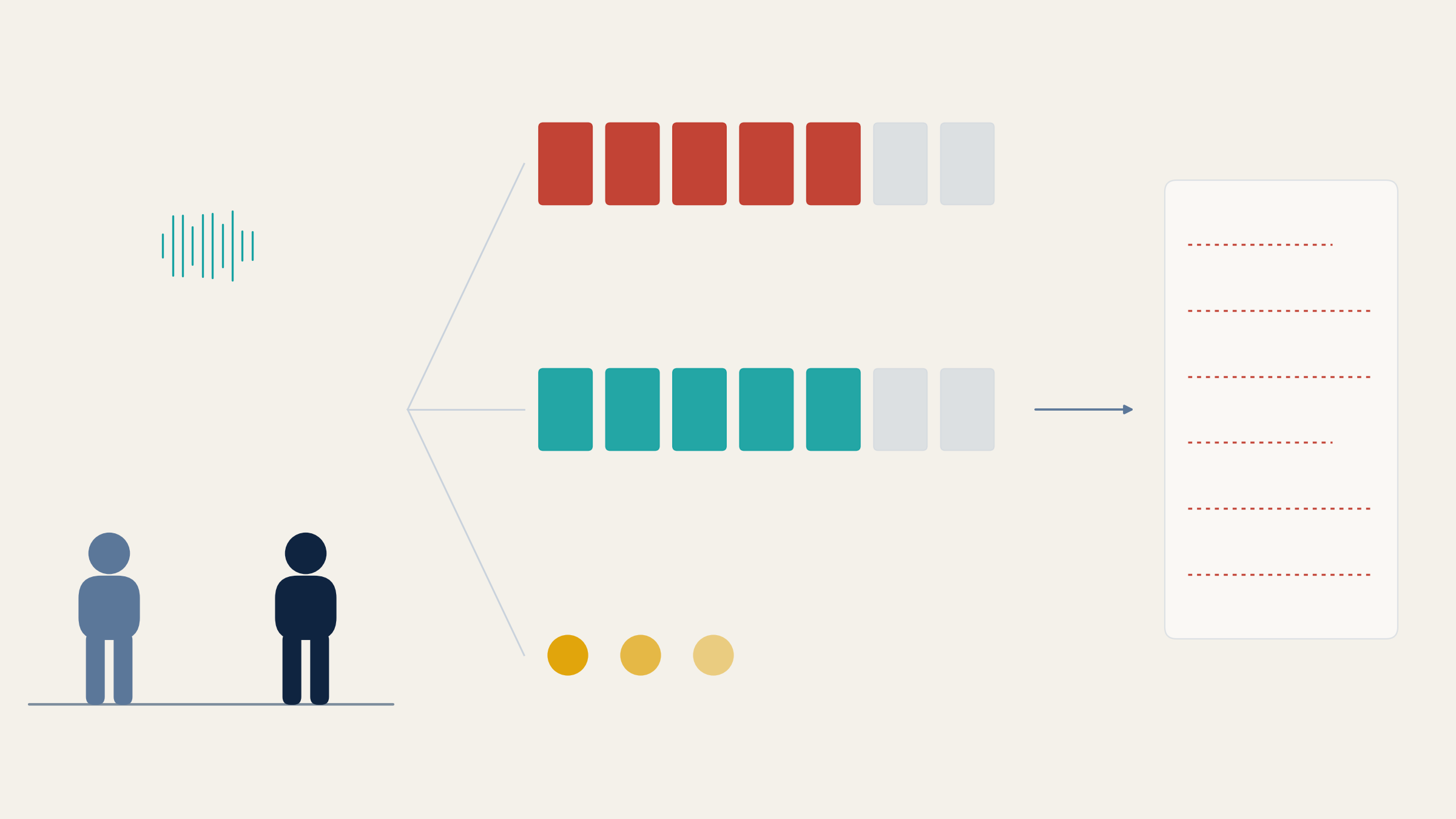
Turn the transcript into the notice file. AI analysis runs on Anthropic’s Claude Opus. Find the first moment a qualifying reason came up, and the date that starts the five-business-day clock is no longer a guess. Pull out the follow-up questions that were asked, so the file shows the employer inquired further.
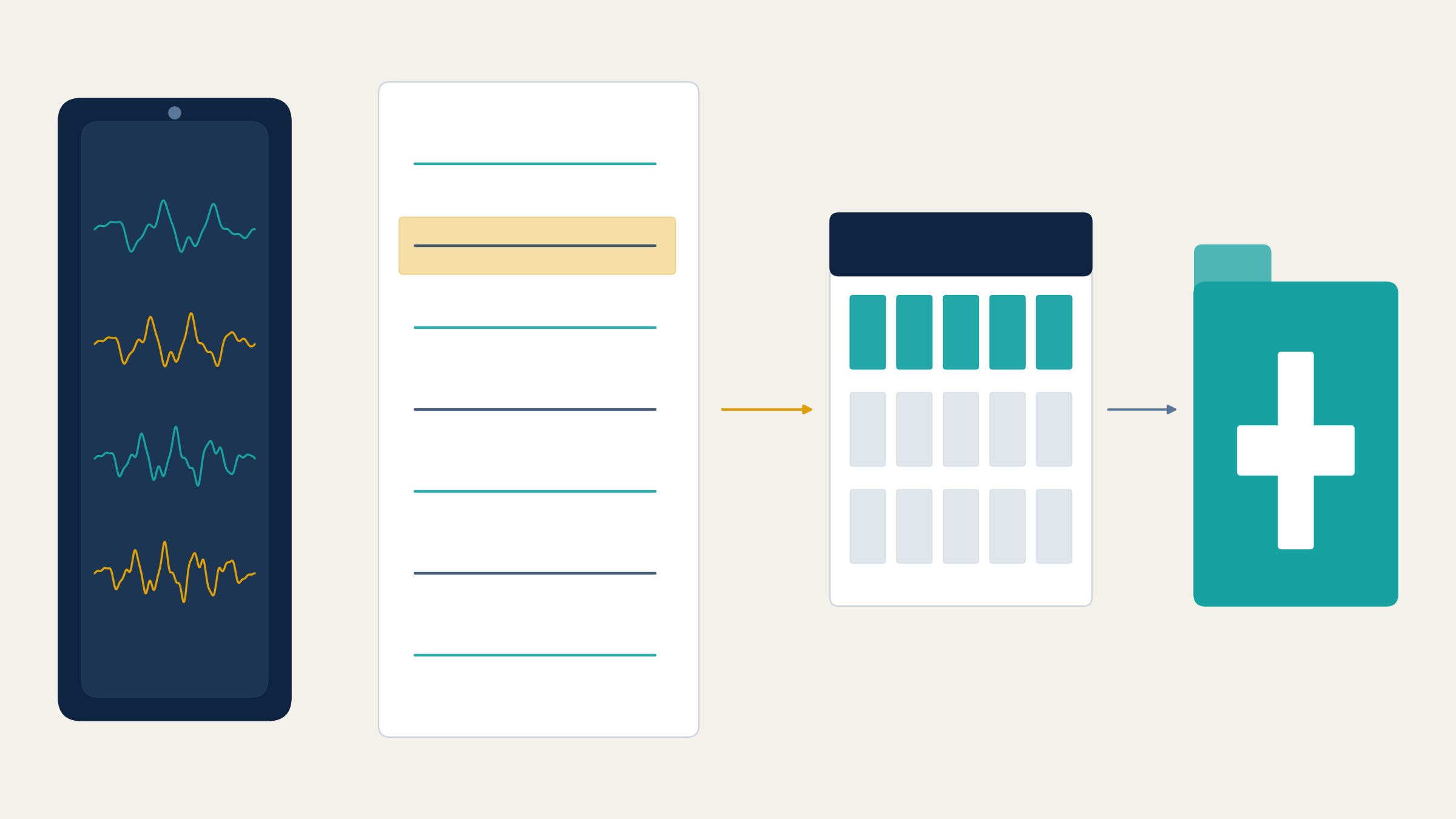
Treat it as a medical record. Records created for FMLA purposes about medical histories “shall be maintained as confidential medical records in separate files/records from the usual personnel files,” under 825.500(g). Store transcripts that way, not in the supervisor’s inbox or the general personnel file.
Privacy stated plainly. Transcription runs through OpenAI and Microsoft Azure speech services, and AI analysis through Anthropic. AmyNote states that it does not use customer data to train AI models and does not sell content. Audio and text are encrypted in transit with TLS, and the saved library stays on the HR team’s own iPhone or iPad, where recording, playback and export work with no network.
Local first is not local only. When transcription or a summary runs, the needed audio or text is uploaded, and a processing copy may be retained to complete the request. AmyNote publishes that trade-off rather than hiding it. Whether that fits your medical-record handling and vendor policies is a decision for your HR and legal teams.
A Short Checklist for Supervisors and HR
- Treat any mention of a serious health condition, a birth or a family member’s care as possible notice, whether or not the employee says “FMLA.”
- Write down the date and time you first heard it, and pass it to HR the same day.
- Ask the follow-up questions you need, and keep a record that you asked them.
- Count the five business days from when you first knew, not from when the form arrived.
- File anything medical separately from the ordinary personnel file.
What This Does Not Decide for You
A recording does not decide whether an employee is eligible or whether leave qualifies, and it does not replace your leave procedures or legal advice. Whether to record leave conversations, how to ask for consent and how long to keep recordings are decisions for your organization. What a verbatim record does is make sure that, three years later, you can show what the employee said and when you knew.
Getting Started
Pick one site and one kind of conversation, such as return to work meetings or intermittent leave check ins, and record them for a month with consent. Then compare the transcripts with the leave requests HR received. AmyNote offers transcription by OpenAI, analysis by Anthropic’s Claude Opus, zero-training commitments from both, and a three day free trial with no credit card.
Originally published as an X Article by @AmyNoteApp.